Crafting Your Dream Cape Cod Homes: Design, Space, and Style
The Essence of Cape Cod Homes
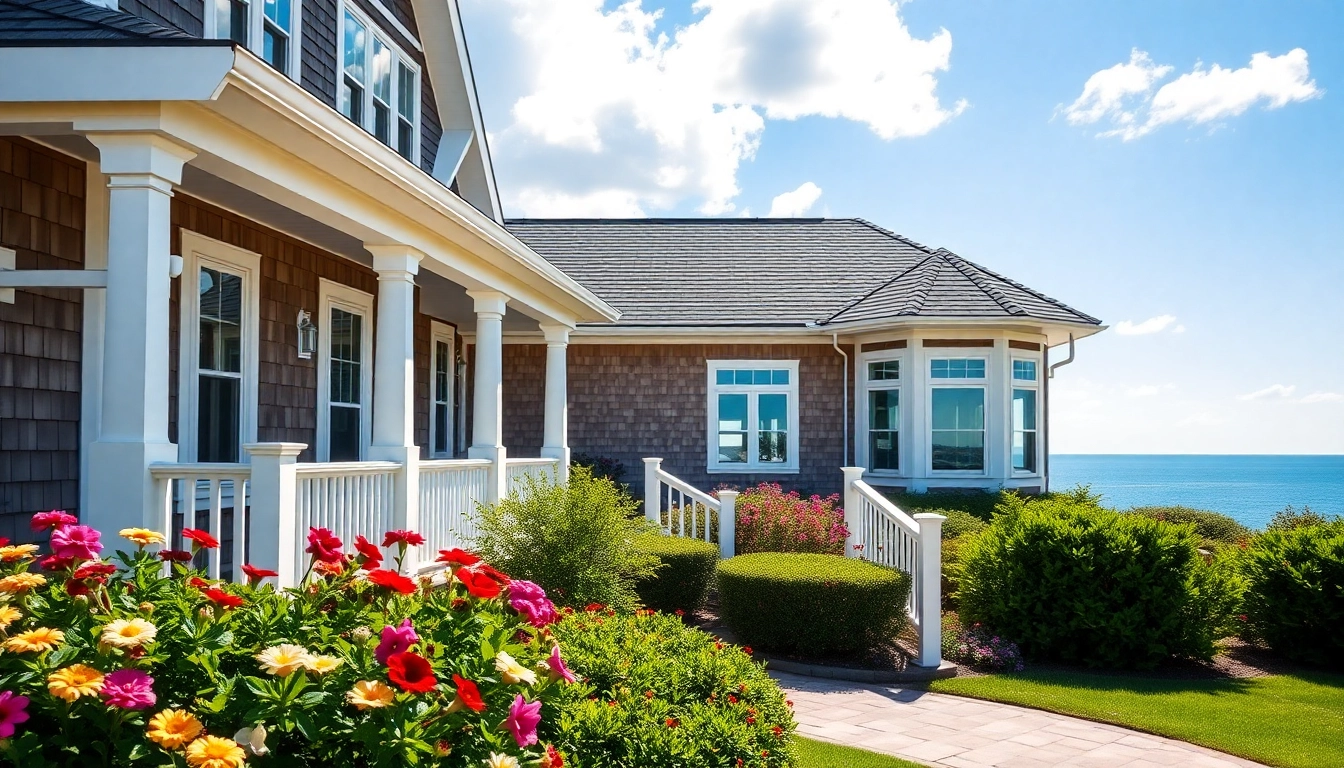
Cape Cod homes evoke a sense of timelessness and charm, reflecting the coastal beauty of New England. With their distinctive architectural style and a focus on comfort, these homes have captured the hearts of many. Whether you are choosing to build, remodel, or simply appreciate the aesthetics of cape cod homes, understanding their essence is essential.
What Defines Cape Cod Architecture?
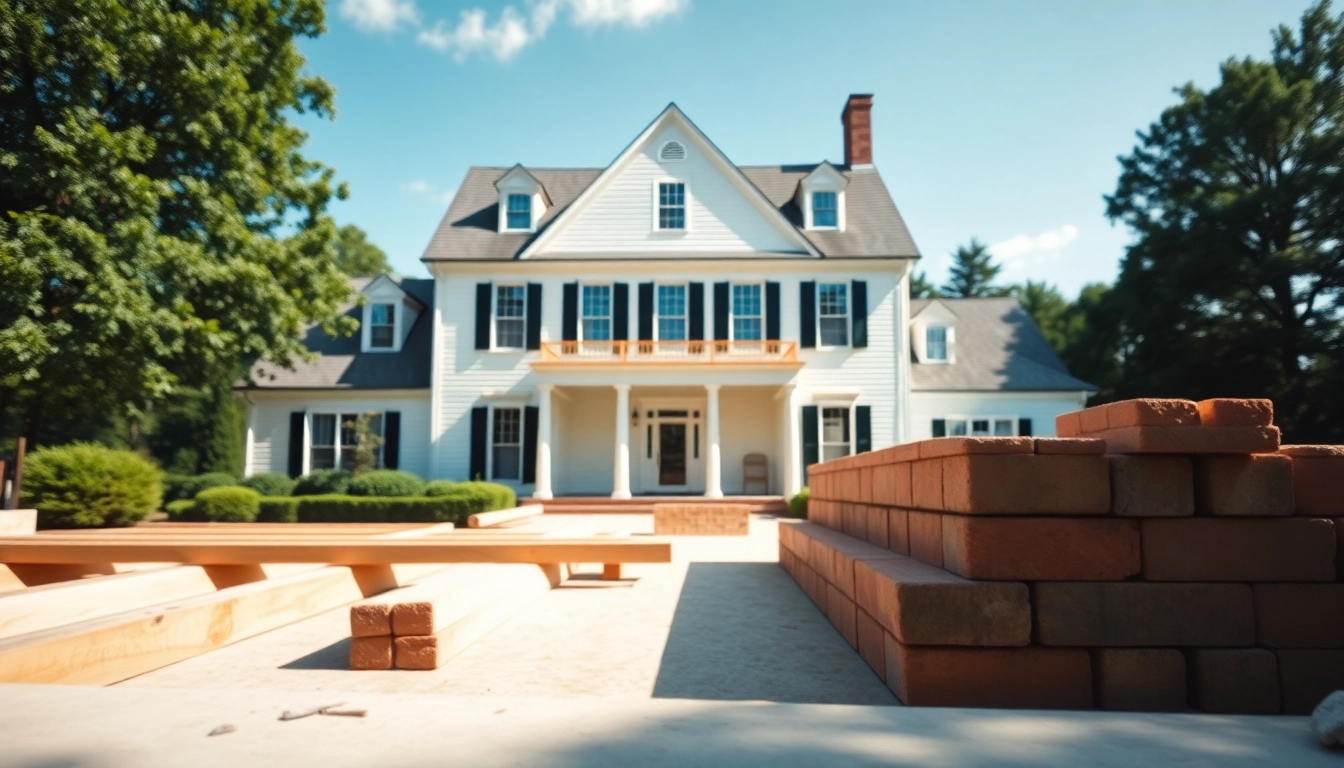
Originating in the 17th century, Cape Cod architecture is characterized by its simplicity and practicality, designed to withstand the harsh New England winters. Key features include steep roofs that allow for heavy snow to slide off, symmetrical facades, and dormer windows that enhance natural light. The home’s exterior is typically clad in wood siding, painted in muted, earthy tones, further emphasizing its integration with the surrounding landscape.
Popular Features of Cape Cod Homes
Some distinctive elements of Cape Cod homes include:
- Dormers: These are small roofed structures that project from a sloping roof, providing natural light and greater headroom in upper-level spaces.
- Chimneys: Often centrally located, they were originally used for heating and cooking and have become a hallmark of Cape Cod designs.
- Open Layouts: While maintaining a classic style, modern adaptations often see open concept designs that enhance flow and space.
Historical Significance and Evolution
Cape Cod architecture emerged from necessity, designed for the region’s unique climate. Over the years, it has evolved, incorporating elements of colonial and contemporary styles. The homes have adapted to modern needs while preserving their historical integrity, allowing for features such as attached garages and expanded living spaces without sacrificing character.
Maximizing Space in Cape Cod Homes
As families grow and lifestyles change, maximizing space in Cape Cod homes becomes a crucial aspect of living comfortably. The thoughtful design of these homes lends itself well to various strategies for enhancing livability.
Open Concept Design Trends
Open concept designs have become increasingly popular in Cape Cod homes, enabling seamless transitions between the kitchen, dining, and living areas. This layout not only encourages social interaction but also optimizes natural light flow and improves the overall sense of space.
Creative Storage Solutions
Incorporating clever storage solutions is vital for maintaining organization in any home. Built-in cabinetry, multifunctional furniture, and well-planned closets can dramatically increase usable space without compromising style. Strategies such as using under-stair storage or creating vertical shelving can maximize even the smallest areas.
Utilizing Outdoor Areas Effectively
Many Cape Cod homes benefit from outdoor spaces such as porches and decks. Making the most of these areas allows for expanded living options. Consider adding outdoor furnishings, planting native gardens, or including outdoor cooking areas to enhance functionality and connection with nature.
Interior Design Ideas for Cape Cod Homes
When interior designing a Cape Cod home, the goal should be to create a cozy and welcoming atmosphere that mirrors the beauty of nature outside.
Color Palettes and Materials
Color palettes for Cape Cod interiors often draw inspiration from the ocean and surrounding landscape. Soft blues, sandy yellows, and crisp whites can evoke the seaside charm. Materials like reclaimed wood, wicker, and natural fibers complement this aesthetic, fostering a relaxed vibe.
Furniture Selection and Arrangement
Choosing the right furniture is crucial for achieving harmony in Cape Cod homes. Opt for pieces that combine comfort with traditional design. Arranging furniture to encourage conversation and make use of natural light enhances the inviting nature of these homes. Additionally, consider incorporating built-in seating to maximize space.
Incorporating Nautical Themes
Nautical themes resonate well in Cape Cod homes. Use decorative elements such as seashells, nautical maps, and maritime colors to create a cohesive look. Throw pillows, artwork, and area rugs can carry the theme throughout your space while maintaining an elegant touch.
Common Challenges in Cape Cod Home Design
While Cape Cod homes are undeniably charming, they present unique challenges that homeowners must navigate. Understanding these obstacles is essential for successful design and renovation projects.
Adapting to Coastal Weather Conditions
Coastal homes face harsh weather, which can affect their longevity. Investing in high-quality materials, ensuring proper drainage, and regularly maintaining the exterior can safeguard against wind, rain, and salty air. Implementing storm-resistant windows and roofs can protect your home from the elements.
Maintaining Home Energy Efficiency
As with any home, energy efficiency is a significant concern for Cape Cod residences. Utilizing energy-efficient appliances, improving insulation, and adopting renewable energy sources like solar panels can help minimize costs and environmental impact without sacrificing comfort.
Regulatory and Zoning Considerations
Regulatory frameworks can vary significantly in coastal areas. It’s crucial to understand local zoning laws and building codes before beginning renovations or construction. Consult with local authorities and professionals to ensure compliance, which can save time and resources in the long run.
FAQs About Cape Cod Homes
1. What are the main characteristics of cape cod homes?
Key characteristics include steep roofs, dormer windows, and wood siding that often features nautical elements.
2. How can I make my cape cod home more energy-efficient?
Consider upgrading insulation, using energy-efficient windows, and harnessing alternative energy sources.
3. What are common design themes for cape cod interiors?
Popular themes include coastal-inspired colors, natural materials, and nautical decor that reflects the seaside heritage.
4. How do I choose the right landscaping for my cape cod home?
Select native plants that thrive in coastal conditions, focusing on low maintenance and seasonal colors.
5. Are cape cod homes suitable for year-round living?
Yes, with proper insulation and heating solutions, cape cod homes can be comfortable for year-round living.