Transforming Your Vision: A Guide to Colonial Home Construction
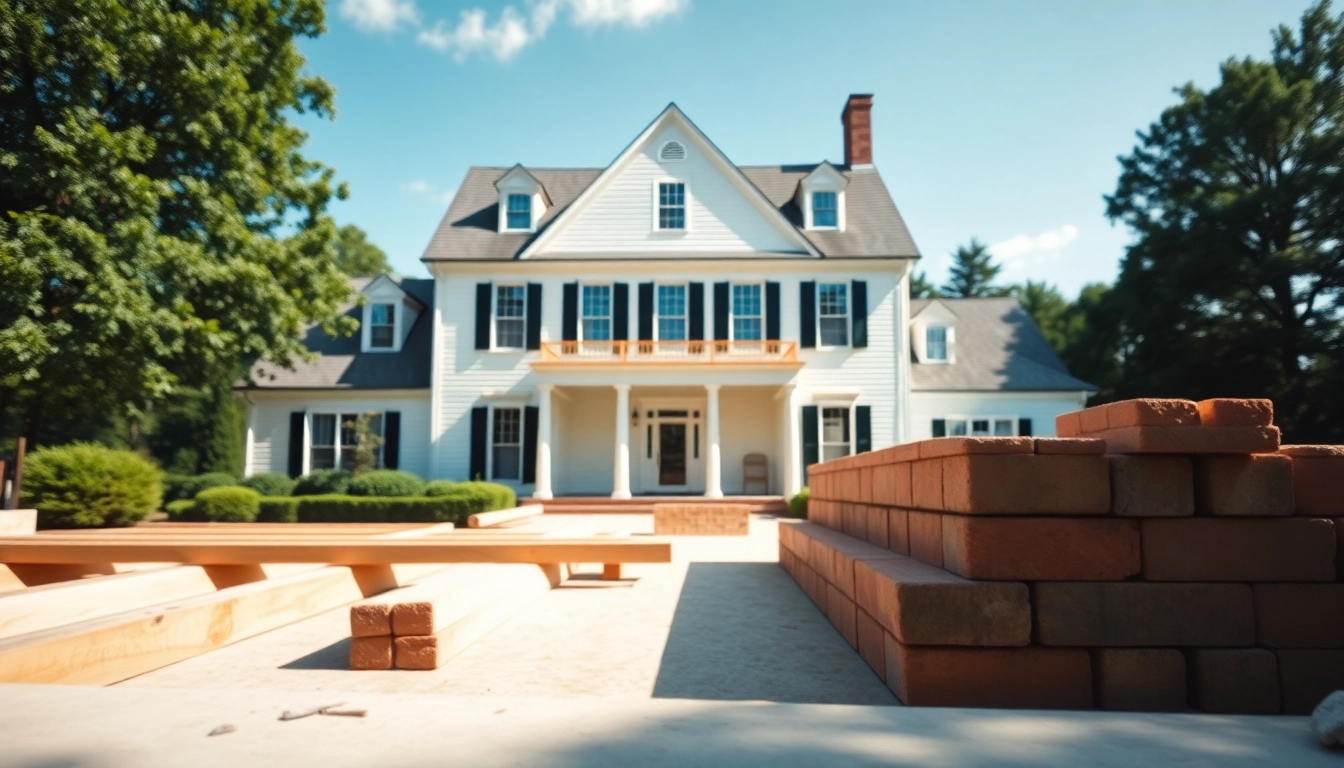
Understanding Colonial Home Construction
Colonial home construction embodies a rich blend of history, design principles, and architectural features that reflect the lifestyle of earlier periods. These homes are renowned for their timeless aesthetic and functional layouts, making them a popular choice for many homeowners today. Exploring this architectural style offers insights into its evolution and characteristics, as well as practical considerations for anyone interested in building or renovating a colonial home. For those planning their projects, understanding the aspects of colonial home construction can be invaluable.
History and Characteristics
Colonial homes originated in the early days of American history, inspired by European designs brought by settlers. The architecture is heavily influenced by various colonial experiences and cultural backgrounds, such as English, Dutch, Spanish, and French styles, creating a diverse range of home designs.
One of the hallmark features of colonial homes is symmetry. Most colonial house styles feature a centered front door, flanked by evenly spaced windows, creating a balanced and harmonious appearance. The use of square or rectangular shapes, as well as two-story structures, further emphasizes this symmetry.
Colonial architecture also includes characteristic materials and detailing. Wood siding is common, while brick and stone are often used for facades, showcasing craftsmanship in masonry. Rooflines are typically steeply pitched, featuring gables or hipped forms, while decorative elements such as columns, shutters, and dormers add charm and elegance.
Popular Substyles of Colonial Homes
Colonial homes can be categorized into several popular substyles, each with its own unique features and historical significance:
- Traditional Colonial: This style is marked by its rectangular shape, central door, and four evenly spaced windows on the upper floor. It often features detailed moldings and historical elements indicative of the colonial period.
- Georgian Colonial: Distinguished by its elegant symmetry and grand entrances, the Georgian style showcases decorative elements such as pilasters, large chimneys, and intricate cornices.
- Federal Colonial: Evolving in the post-revolutionary era, Federal homes display a more refined aesthetic, often with elliptical swags, jack arches over windows, and decorative fanlights.
- Dutch Colonial: Recognizable by its gambrel roof, which resembles a barn, this style also includes wide eaves and dormer windows that provide a spacious interior.
- Cape Cod: Emerging from New England, Cape Cod homes are typically one or one-and-a-half stories with steep roofs and dormer windows, designed to withstand harsh weather conditions.
Key Benefits of Colonial Home Design
The appeal of colonial home design goes beyond aesthetics. Here are several key benefits associated with this architectural style:
- Timeless Appeal: Colonial homes tend to maintain their style and desirability over time, making them a solid investment.
- Energy Efficient Characteristics: Building methods employed in colonial designs often enhance energy efficiency, benefiting homeowners particularly in colder climates.
- Functional Layouts: The floor plans of colonial homes typically facilitate practical living, with clearly defined spaces that work well for families.
- Historical Connection: Owning a colonial home provides a link to history and tradition, which can be both rewarding and intriguing.
- Curb Appeal: With their elegant facades and historical detail, colonial homes often contribute positively to the aesthetic of neighborhoods and communities.
Planning Your Colonial Home Construction Project
Construction planning is a multi-faceted process, especially for a colonial home, where tradition meets modern needs. Taking time to assess various elements can significantly enhance the success of your project.
Essential Pre-Construction Considerations
Before breaking ground, several critical pre-construction considerations should be made. First, assess zoning laws and local building codes to ensure your design complies with regulations. Engage with local planning departments to acquire necessary permits and clearances, which may affect your project’s timeline.
Consider the location of your home as well. Site assessment ensures proper drainage and sunlight exposure, which can affect not only the construction but also future home energy efficiency. A thorough understanding of your land can save time and money down the road.
Additionally, outline your must-have features as well as your budget. Collaborating with an architect to determine the feasibility of your wishes in alignment with your budget is crucial for project success.
Designing Functional Spaces
Functionality and flow are paramount in the design of a colonial home. Often, colonial homes feature a central hallway with adjacent rooms, which can be utilized effectively for different activities. Plan for spacious common areas like the living room and dining room, conducive to family gatherings and entertaining.
Incorporate modern amenities subtly into the classic design; for instance, consider open-concept kitchen and living areas while maintaining characteristic colonial detailing. When planning bedrooms, think about accessibility and privacy, particularly for children and guests.
Flexibility is also key. Consider designated spaces that can easily transition from an office to a guest room, accommodating evolving needs over time.
Budgeting for Your Dream Home
Budgeting for a colonial home construction project entails assessing multiple financial aspects. Begin with land acquisition costs and build up to construction expenses, including materials, labor, and design aspects.
Create a comprehensive budget that not only factors in your primary expenses but also contingency funds for unforeseen challenges during construction. It’s wise to overestimate costs by around 10% to 20% of your overall budget, allowing for flexibility should unexpected situations arise.
Moreover, exploring financing options early in the process can secure the best rates, ensuring you are financially prepared to proceed without interruption.
Choosing the Right Materials for Colonial Homes
The materials utilized in colonial home construction play a significant role in both aesthetic appeal and structural integrity. The choices made during this phase can impact energy efficiency, longevity, and overall maintenance of the home.
Timber, Brick, and Stone: Building Blocks Explained
Timber is a traditional choice for colonial homes, with wood framing providing flexibility and warmth. This material also offers architectural detail with options for moldings and trims that enhance aesthetic appeal.
Brick presents longevity and low maintenance, often associated with Georgian and Federal styles. Its insulating properties help maintain temperature, making it advantageous in various climates.
Stone offers a rustic charm and exceptional durability. For homeowners inclined towards a more organic look, stone can provide a striking facade that integrates well with the natural environment.
Energy Efficiency in Colonial Construction
In modern times, energy efficiency has become an essential consideration in home construction. Colonial homes can be equipped with energy-efficient windows and insulation techniques that reduce heating and cooling costs. Energy Star-rated appliances also add functionality while minimizing energy use.
Consider implementing smart home technology to enhance energy management in your colonial home. This facilitates efficient energy use and even integrates well with modern design elements.
Local Materials and Sustainability Practices
Utilizing local materials not only supports the economy but often reduces transportation impacts on the environment. This practice contributes to the sustainable approach increasingly adopted in construction today.
Additionally, sourcing recyclable and eco-friendly materials allows homeowners to create a low-impact home without sacrificing style and durability. Focus on materials that compliment the colonial aesthetic while maintaining a commitment to sustainability.
Hiring Professionals for Colonial Home Construction
Your selection of professionals plays a critical role in ensuring the smooth execution of your colonial home construction. Relying on experienced experts enables you to navigate challenges effectively and realize your vision.
Finding the Right Architect or Builder
Begin by researching architects and builders who specialize in colonial designs. Reviewing portfolios and previous work can give you insights into their style and approach. Seek recommendations from peers or online communities to narrow down choices.
Once you have shortlisted candidates, conduct interviews to assess compatibility and vision alignment. Ensure that they understand your goals and can balance traditional approaches with modern needs.
Understanding Contracts and Agreements
Once you have selected a builder or architect, carefully review all contracts. Ensure that they outline timelines, payment schedules, and services provided. Budget for contingencies and potential changes throughout the project, which should also be reflected in your contracts.
Clear communication of expectations and deliverables in the contract can help avoid misunderstandings and disputes later in the construction process.
Managing Your Builder Relationship
A strong relationship with your builder or contractor can make or break your construction experience. Keep lines of communication open, schedule regular check-ins, and address issues promptly to maintain trust.
Meet regularly on-site to discuss progress and verify that the build adheres to your design vision and timeline. This proactive approach ensures everything remains on track.
Maintaining and Renovating Your Colonial Home
Once your colonial home is built, thoughtful maintenance ensures it remains beautiful and functional for generations. Basic upkeep and renovations will help preserve its character while adapting to modern living needs.
Tips for Long-Term Maintenance
Routine inspections of the exterior, including checking the condition of the roof, siding, and windows, are vital. Addressing issues early can prevent significant damage and costly repairs.
Regular cleaning of gutters and downspouts helps maintain proper drainage and reduces risks of water damage. Additionally, investing in properly sealing window frames protects against air loss and preserves the home’s energy efficiency.
Restorative Projects that Preserve Character
As styles and preferences change, consider restoration projects that honor the home’s original features while integrating modern comforts. Restoring original woodwork, fireplaces, or crown moldings adds beauty and maintains historic significance.
Updating spaces like kitchens and bathrooms offers modern functionality while considering aesthetic alignment with the colonial style. Aim for cabinetry and fixtures that reflect the home’s character to maintain coherence throughout.
When to Consider Professional Help
While DIY projects can be rewarding, some renovations may require professional expertise. For complex structural changes, electrical work, or major plumbing upgrades, hiring a skilled contractor is advisable for safety and compliance reasons.
Ultimately, understanding when to employ professionals ensures that your renovations preserve the integrity of your colonial home’s architecture and enhances its value.
Frequently Asked Questions (FAQs)
What are the main characteristics of colonial homes?
Main characteristics include symmetrical designs, a centered front door, classic rooflines, and traditional materials such as brick, wood, or stone. These homes often have two stories with clearly defined rooms.
How do I choose the right style of colonial home for my area?
Research architectural styles prevalent in your region and consider the historical context. Engaging with local homeowners and professionals can provide insights into favorites suited to local conditions.
What is the average cost of building a colonial home?
The cost varies widely based on location, materials, and design complexity, but it’s essential to account for land, materials, labor, and permits when estimating the total budget.
Are colonial homes energy-efficient?
Traditional colonial homes can be energy-efficient when built with modern materials and techniques. Insulation, energy-efficient windows, and building orientation play significant roles in energy consumption.
How should I maintain a colonial home?
Regular inspections, timely repairs, routine cleaning, and preserving original features are crucial. Ensure proper drainage, maintain exterior surfaces, and enhance energy efficiency through updates and restorations.