
2026 Best Forklift in Dallas Industry Report: Essential Insights for Buyers
Understanding the Forklift Market in Dallas
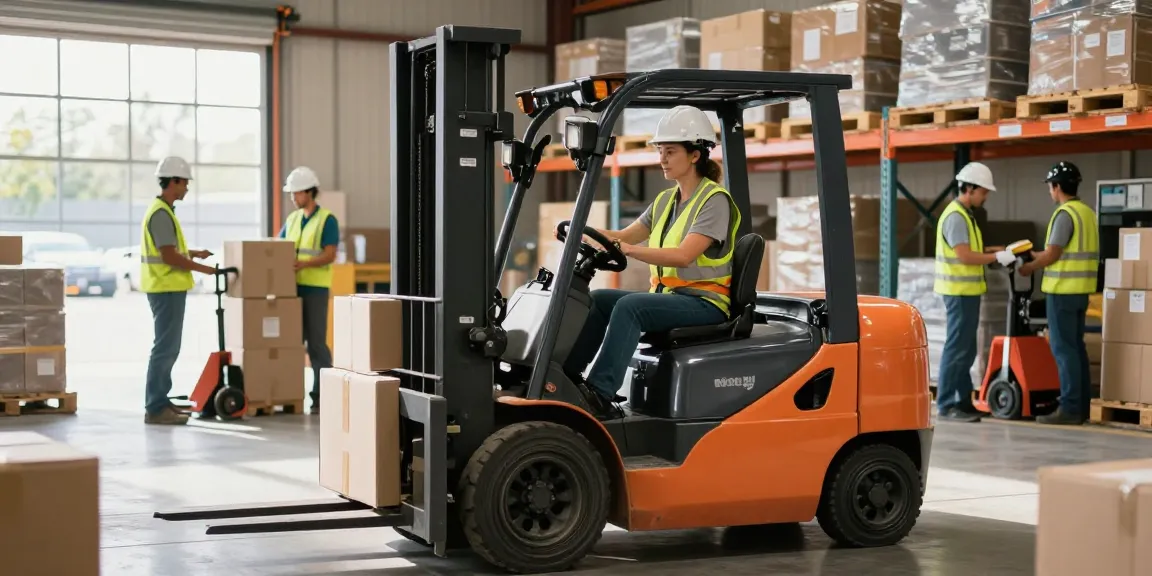
The forklift market in Dallas has undergone significant transformations in recent years, driven by advances in technology, sustainability efforts, and evolving industry needs. As businesses seek to enhance productivity and efficiency in warehouses and construction sites, understanding the dynamics of the forklift market becomes essential. With the shift towards electric models, enterprises are increasingly prioritizing equipment that not only meets operational requirements but also contributes to their overall sustainability goals. When exploring options, Best forklift in Dallas offers a diverse selection tailored to meet these growing demands.
Current Trends in the Forklift Industry
In 2026, the forklift industry is experiencing a pronounced shift towards automation and electric power solutions. Industry leaders are investing in smart technologies that allow for better monitoring of equipment performance and maintenance needs. This trend not only boosts operational efficiency but also reduces downtime. Additionally, many companies are transitioning from traditional internal combustion forklifts to electric options, driven by the push for sustainability and lower operational costs.
The Rise of Electric Forklifts and Sustainability
The rise of electric forklifts is a notable trend, reflecting a broader commitment to reducing carbon footprints. Electric models offer lower emissions, quieter operations, and reduced maintenance costs compared to their diesel counterparts. They are especially beneficial in enclosed spaces where ventilation might be a concern, making them ideal for warehouses and manufacturing facilities in urban areas like Dallas. Furthermore, advancements in battery technology, such as lithium-ion batteries, have significantly enhanced the performance and longevity of electric forklifts.
Key Features to Look for in Modern Forklifts
When selecting a forklift, several key features should be considered to ensure optimal performance. These include:
- Weight Capacity: It is crucial to choose a forklift with the appropriate weight capacity for your specific lifting needs.
- Lift Height: Assess the maximum lift height required for your operations, particularly in warehouses with high storage racks.
- Battery Life: For electric models, understanding the battery specifications and potential run time is necessary for planning shifts.
- Ergonomics: Comfortable operator controls and safety features can greatly enhance productivity and reduce workplace accidents.
The Benefits of Choosing Electric Forklifts
The shift towards electric forklifts has proven to be beneficial for a broad range of industries. Their advantages extend beyond just environmental impact; they include cost savings and enhanced efficiency.
Cost-Effectiveness and Efficiency
Electric forklifts typically have lower operational costs compared to traditional models. The savings come from reduced fuel expenses, lower maintenance needs, and the ability to use regenerative braking, which helps to extend battery life. Many businesses report a faster return on investment when switching to electric options due to these cost savings, coupled with enhanced efficiency during operations.
Environmental Impact and Emission Reduction
Choosing electric forklifts contributes significantly to emission reduction efforts, aligning with corporate responsibility initiatives aimed at sustainability. These vehicles operate on clean energy, which is crucial in combating pollution, especially in urban areas where air quality is a growing concern. Companies that commit to eco-friendly practices often find that it can also improve their corporate image and customer loyalty.
Enhanced Performance Metrics
Modern electric forklifts are engineered for superior performance, boasting rapid acceleration and precise control. These machines provide functionalities such as advanced lift systems, which enhance overall productivity in material handling. Moreover, with real-time monitoring systems integrated into the equipment, businesses can gather valuable data that informs operational strategies and maintenance schedules.
Comparing the Best Forklift Brands in Dallas
As the demand for forklifts continues to rise, various brands are emerging as leaders in the market. Understanding the advantages and offerings of each brand can help businesses make informed purchasing decisions.
Top Manufacturers and Their Offerings
Some of the top forklift manufacturers in Dallas include:
- Yale: Known for their durable and reliable electric forklifts, Yale provides a range of options suitable for various applications.
- Hyster: Offers a wide array of electric and internal combustion models, praised for their robust designs and efficiency.
- Toyota: A leading brand globally, Toyota’s electric forklifts are renowned for their advanced technology and reliability.
- Caterpillar: Known for their rugged machines, Caterpillar also offers a range of electric models tailored for warehouse settings.
Customer Reviews and Satisfaction Levels
Customer satisfaction can greatly influence the perceived value of forklift brands. Reviews often highlight the importance of customer service, warranty support, and equipment reliability. Brands that prioritize these aspects tend to achieve higher satisfaction ratings, indicating that buyers value support and longevity as much as the initial purchase price.
Pricing Strategies and Value Analysis
Prices for electric forklifts can vary significantly based on brand, specifications, and additional features. Businesses should conduct a thorough cost-benefit analysis, taking into account long-term operational expenses, to ensure that they are making a financially sound investment. Many dealers offer financing options that can alleviate the upfront cost burden on companies, making it easier to invest in high-quality equipment.
Buying Guide: Making the Right Choice
Making an informed decision when purchasing an electric forklift is essential for ensuring that the machine meets the needs of your business. This guide outlines critical considerations for prospective buyers.
Assessing Your Warehouse Needs and Specifications
Before making a purchase, it’s vital to evaluate your specific warehouse requirements. Consider factors such as the layout of your facility, the types of goods you handle, and the frequency of use. This assessment will help determine the most appropriate forklift size and capacity for your operations.
Financing Options for Electric Forklifts
Many companies may opt for leasing rather than purchasing a forklift outright. This can be a strategic choice for businesses looking to preserve capital while still accessing high-quality equipment. Various financing options, including low-interest loans or leasing arrangements, can enable businesses to acquire the necessary machinery without substantial financial strain.
Long-Term Maintenance and Support Considerations
When purchasing a forklift, understanding the maintenance needs of the equipment is crucial for its longevity. Buyers should inquire about warranty terms and available support services. Regular maintenance schedules can prevent unexpected breakdowns and enhance the lifespan of your investment.
Future Trends and Innovations in Forklifts
The forklift industry is set to continue evolving, particularly as technological advancements shape operational capabilities.
Technology Advancements in Material Handling
Incorporating technology such as IoT and artificial intelligence is reshaping how forklifts operate. Smart forklifts equipped with sensors and telematics can provide real-time data on performance metrics, allowing for proactive maintenance and optimization of operations. Additionally, automated forklifts are being developed to operate autonomously, which could further enhance efficiency in material handling.
Anticipated Market Changes through 2026
As we move towards 2026, the forklift market is expected to see a surge in electric models due to the increasing emphasis on environmental sustainability. Lawmakers and industry leaders are likely to push for stricter regulations on emissions, prompting more businesses to transition away from fossil-fuel-powered machinery.
Emerging Challenges and Opportunities for Buyers
While there are numerous advancements on the horizon, buyers should also be prepared to face challenges, including fluctuations in battery material costs and the need for specialized training to operate advanced forklifts. Recognizing these potential hurdles can help companies develop strategic plans to mitigate risks and capitalize on emerging opportunities.
What are the common types of forklifts available?
Common types of forklifts include electric, diesel, and LPG (liquefied petroleum gas) models. Each type has its unique benefits and is suited to specific applications. Electric forklifts are particularly favored in environments where emissions need to be minimized.
How does electric forklift maintenance differ from diesel?
Electric forklifts typically require less maintenance than diesel models, as they have fewer moving parts and do not require oil changes. Battery maintenance is important, however, as it can significantly impact performance and lifespan.
What safety features should I look for in a forklift?
Look for features such as stability control, load backrests, and operator protection systems. Additionally, good visibility from the operator’s seat is essential for safety during operation, especially in busy warehouse environments.
Can I rent a forklift instead of buying one?
Yes, many companies offer rental options that can provide flexibility for businesses that may not require a forklift for long-term use. Renting can be a cost-effective solution for seasonal demands or short-term projects.
What are the best practices for operating a forklift?
Best practices include training operators thoroughly, conducting regular safety inspections, and ensuring that operators are aware of their surroundings while in operation. Following established safety protocols will significantly reduce the risk of accidents.