
Essential Guide to the Declaration of Conformity for EMC Compliance in 2026
Understanding the Declaration of Conformity
The Declaration of Conformity (DoC) is a fundamental document that certifies a product’s compliance with applicable standards and regulations. Manufacturers, particularly in sectors like electronics and automotive, must navigate complex regulatory landscapes to ensure their products meet essential safety, health, and environmental requirements. This document serves as a formal declaration by the manufacturer, confirming that the product adheres to all relevant directives and standards, such as the FCC, ISED, CE, and other local regulatory frameworks. When exploring options, declaration of conformity provides comprehensive insights into compliance processes that are crucial for bringing a product to market.
What is a Declaration of Conformity?
A Declaration of Conformity is a self-certifying document that states a product complies with various regulatory requirements. This process typically involves rigorous testing and documentation, showcasing the product’s adherence to the necessary safety, EMC, and environmental standards. The DoC is particularly significant in the European Union, where it is a prerequisite for products that require CE marking, indicating compliance with EU legislation.
The Importance of EMC Compliance
Electromagnetic Compatibility (EMC) compliance is essential for electronic devices to function correctly without interference. The importance of EMC compliance cannot be overstated, especially in today’s interconnected world where devices often rely on wireless communication. Failure to meet EMC requirements may not only lead to product recalls but also legal ramifications. EMC testing ensures that devices can operate without disrupting other electronic devices, which is vital in sectors like telecommunications and automotive.
Regulatory Framework and Standards
The regulatory landscape for EMC compliance is complex, involving both international and local standards. Key regulations include the European EMC Directive 2014/30/EU, the FCC rules in the United States, and various other guidelines that differ by region. Understanding this framework is crucial for manufacturers looking to market their products internationally. Compliance helps establish credibility and can significantly affect product viability in competitive markets.
Steps to Achieve EMC Compliance
Initial Product Assessment
The first step in achieving EMC compliance is conducting an initial assessment of the product. This includes understanding its design, intended use, and any specific regulatory requirements that apply. Manufacturers should compile all existing documentation and gather information on the components used in the product, as this will be critical during the testing phase.
Testing Procedures and Methodologies
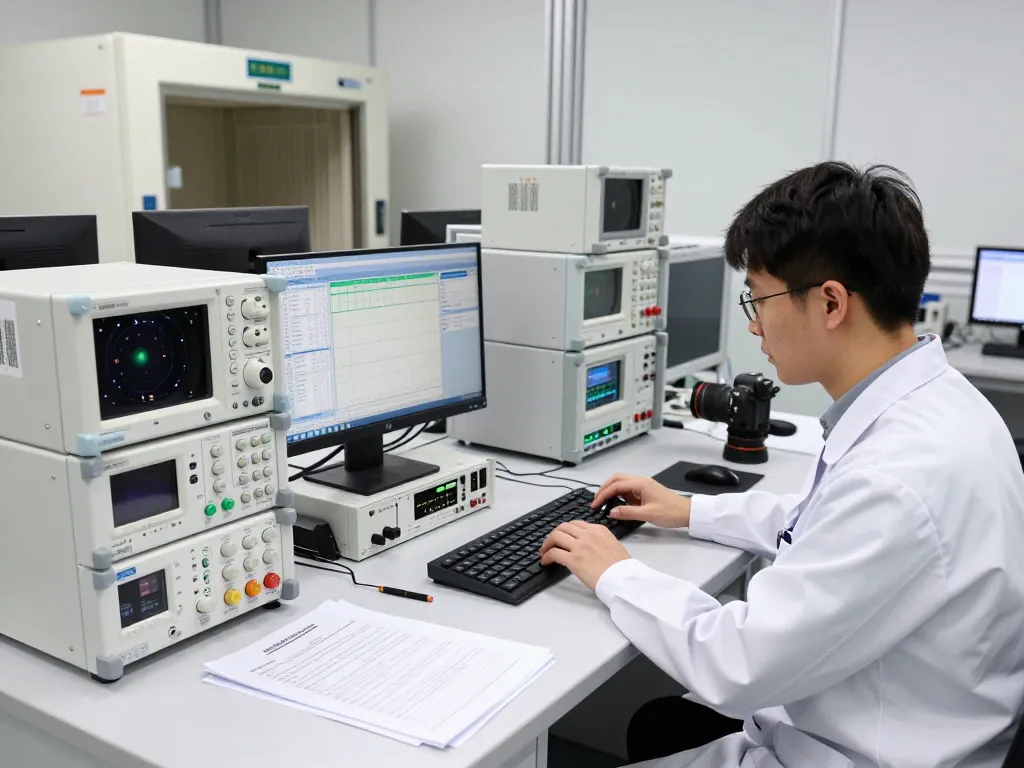
Once the initial assessment is complete, manufacturers must engage in systematic testing procedures. This typically involves emissions testing to evaluate both conducted and radiated emissions. The methodologies chosen must align with international standards to ensure validity and acceptance of the results. Testing labs like Stancer Testing-Lab utilize advanced facilities to provide comprehensive testing services, ensuring that products meet necessary compliance standards.
Documentation and Record Keeping
A solid documentation process is vital in the compliance journey. Keeping accurate records of tests conducted, methodologies used, and modifications made to the product is essential, both for internal use and for regulatory submissions. This documentation becomes part of the technical file that may be required for product certification in various markets.
Benefits of Working with a Certification Laboratory
Expert Guidance and Support
Collaboration with a certification laboratory provides manufacturers with expert insights into compliance requirements. Laboratories such as Stancer Testing-Lab offer specialized knowledge in EMC testing, helping manufacturers navigate the complexities of compliance. Their expertise can significantly reduce the risk of non-compliance by ensuring that all relevant standards are met before the product reaches the market.
Access to Cutting-Edge Testing Facilities
Certification laboratories are equipped with state-of-the-art testing facilities that are essential for accurate and reliable testing. Access to advanced technology allows for rigorous evaluation of products under various conditions, ensuring that results are not only accurate but also reproducible. This is crucial for maintaining quality assurance and for minimizing the risk of failures once the product is in use.
Streamlined Submission and Certification Process
Working with a certification laboratory streamlines the submission process for obtaining necessary certifications. Laboratories are familiar with the requirements of regulatory bodies, allowing them to guide manufacturers through each step of the certification process. This can save significant time and resources, enabling quicker time-to-market for new products.
Common Challenges in EMC Testing
Understanding Regulatory Requirements
One of the most significant challenges manufacturers face is deciphering the myriad regulatory requirements. Each market may have its own set of rules and standards, which can be daunting. Ensuring that all documentation is accurate and that all tests performed adhere to these requirements is crucial for avoiding potential compliance issues.
Overcoming Technical Obstacles
Technical obstacles can arise during testing phases, such as unexpected emissions levels or failures during immunity tests. These issues may require design modifications, retesting, and extensive troubleshooting. Having an experienced team can aid in navigating these technical challenges effectively.
Addressing Compliance Misconceptions
Misconceptions regarding compliance requirements can lead to oversight in product design and testing. It’s essential that manufacturers educate themselves on what’s necessary to achieve compliance. Knowledge-sharing resources from certification laboratories can help clarify these misconceptions and ensure better preparedness for the compliance process.
Future Trends in EMC Compliance and Testing
Emerging Technologies and New Regulations
The landscape of EMC compliance is evolving with the advent of new technologies. As industries adopt more connected devices, the complexity of compliance increases. Regulations will likely adapt to address issues related to emerging technologies like 5G and the Internet of Things (IoT), necessitating that manufacturers stay informed about changes in the regulatory framework.
Preparing for Changes in Standards by 2026
Manufacturers must also prepare for anticipated changes in standards by 2026. As technology advances, existing standards may be revised or new ones introduced to keep pace with innovations and ensure that products remain safe and reliable. Understanding these upcoming changes is critical for manufacturers aiming to maintain compliance and competitive edge.
Innovations in Testing Techniques
Innovation in testing technology will continue to play a critical role in EMC compliance. Advanced simulation techniques and automated testing processes can improve the accuracy and efficiency of compliance testing. These innovations will help reduce time and costs associated with the testing phase, allowing manufacturers to focus on product development and improvement.
What does the Declaration of Conformity entail?
The Declaration of Conformity encompasses various elements, including detailed product specifications, which standards the product adheres to, and the manufacturer’s information. These factors collectively confirm that the product is safe and meets regulatory requirements, essentially providing a guarantee of compliance.
How to prepare for EMC compliance testing?
Preparation for EMC compliance testing involves ensuring that the product has been designed with compliance in mind from the beginning. Manufacturers should conduct preliminary assessments, gather necessary documentation, and engage qualified testing laboratories to assist in the process.
What are the costs associated with EMC testing?
Costs for EMC testing can vary widely based on the complexity of the product, the extent of testing required, and the fees charged by testing laboratories. Manufacturers should budget for both testing and any necessary design modifications that may arise from the testing results.
How long does the certification process take?
The certification process timeline can range from a few weeks to several months, depending on the product’s complexity and the efficiency of the testing laboratory. Engaging a reputable certification laboratory can expedite the process significantly.
What industries require a Declaration of Conformity?
Various industries require a Declaration of Conformity, especially those involving electronic and electrical products. Key sectors include telecommunications, medical devices, automotive, and consumer electronics. Each industry has specific compliance requirements that must be adhered to for market entry.