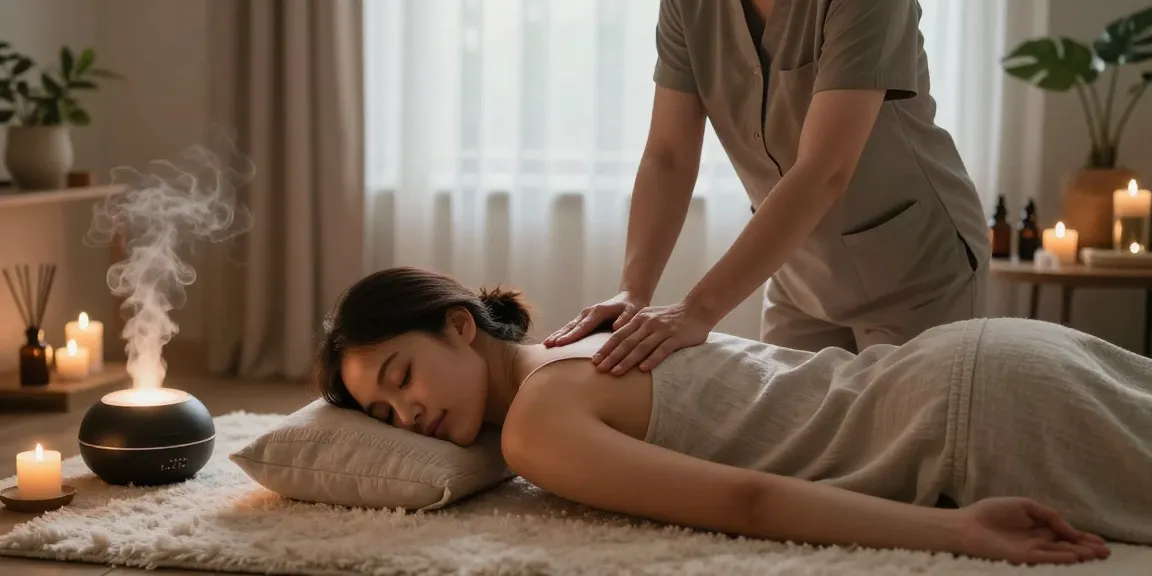
Understanding 焦慮症: Expert Strategies for Managing Anxiety in 2026

What is 焦慮症?
焦慮症, also known as anxiety disorders, represents a spectrum of mental illnesses characterized by excessive unease and apprehension. These disorders can drastically affect one’s daily life, relationships, and overall well-being. It’s essential to understand the nuances of this mental health condition to address it effectively. When exploring options, 焦慮症 provides comprehensive insights into symptoms, causes, and treatment approaches for those affected.
Defining Anxiety Disorders
Anxiety disorders encompass various conditions, including generalized anxiety disorder (GAD), social anxiety disorder, panic disorder, and specific phobias. Each of these presents unique challenges but shares common underlying features of intense fear and apprehension often without a clear cause.
Common Symptoms to Recognize
Recognizing the symptoms of anxiety disorders is crucial for seeking help. Common symptoms include:
- Excessive worrying about everyday situations
- Physical symptoms such as increased heart rate and sweating
- Difficulty concentrating or feeling restless
- Sleep disturbances, including insomnia
- Avoidance behaviors to escape anxiety-inducing situations
Differences between Anxiety and General Stress
While it is normal to experience stress in reaction to challenging situations, anxiety disorders involve persistent and excessive worry that disrupts daily life. Stress tends to have specific triggers, while anxiety can often develop without a distinct cause.
Causes and Risk Factors of 焦慮症
Biological Influences and Genetics
Research suggests that genetic factors may predispose individuals to anxiety disorders. Neurotransmitter imbalances, particularly in serotonin and dopamine systems, can also contribute to anxiety. Additionally, family history of anxiety or mood disorders can increase the likelihood of developing these conditions.
Environmental Triggers and Life Events
Life experiences, including traumatic events, significant changes, and prolonged stress, can act as environmental triggers for anxiety disorders. These could range from experiences during childhood, such as abuse or neglect, to significant life transitions like job loss or bereavement.
The Role of Lifestyle in Anxiety
Lifestyle choices significantly impact mental health. Factors such as a sedentary lifestyle, poor nutrition, and substance abuse (including excessive caffeine and alcohol) can exacerbate anxiety symptoms. Regular exercise, on the other hand, has been proven to help reduce anxiety levels and improve overall mood.
Effective Treatment Options for 焦慮症
Therapeutic Approaches: CBT and Beyond
Cognitive Behavioral Therapy (CBT) is one of the most effective approaches for treating anxiety disorders. It helps individuals identify and change negative thinking patterns and behaviors associated with anxiety. Other therapeutic methods, such as exposure therapy and mindfulness-based stress reduction, can also be beneficial.
Medication Management and Considerations
Medications, including antidepressants and benzodiazepines, may be prescribed to manage anxiety symptoms. It is essential to work with a healthcare provider to determine the most appropriate medication based on individual needs and possible side effects.
Integrating Lifestyle Changes for Better Outcomes
Incorporating lifestyle changes alongside therapeutic interventions can significantly enhance treatment outcomes. Practices such as regular physical activity, a balanced diet, adequate sleep, and stress management techniques can bolster mental health and reduce anxiety symptoms.
Mitigating 焦慮症 Symptoms in Daily Life
Mindfulness and Stress Reduction Techniques
Mindfulness practices, such as meditation and deep-breathing exercises, have been shown to reduce anxiety symptoms effectively. Engaging in mindfulness allows individuals to stay grounded in the present moment and alleviate overwhelming feelings of stress.
Building a Support System
A strong support system is vital for managing anxiety. Friends, family, and support groups can provide encouragement, understanding, and a safe space to express feelings. Open communication about one’s struggles with anxiety is essential in fostering this supportive network.
Practical Tips for Anxiety Management
To manage anxiety effectively in everyday life, consider the following tips:
- Set realistic goals and prioritize tasks
- Establish a routine that includes self-care and relaxation time
- Limit intake of stimulants that may exacerbate anxiety symptoms
- Seek professional help when necessary
Future Trends in Understanding and Treating 焦慮症
Innovations in Psychological Therapies
As psychological research advances, new treatment methods are emerging. Innovations such as virtual reality therapy are being explored for their effectiveness in treating anxiety disorders, particularly phobias and social anxiety.
The Impact of Technology on Treatment Accessibility
Teletherapy and mental health apps are making therapy more accessible. These resources can offer support and coping strategies that individuals can use from the comfort of their homes, significantly reducing barriers to treatment.
Predictions for Anxiety Research in 2026
Looking ahead to 2026, ongoing research is expected to delve deeper into the neurobiological mechanisms of anxiety disorders. Advances in genetics and neurology may lead to personalized treatment plans tailored to individual genetic profiles, improving treatment efficacy.
What Are the Common Misunderstandings About 焦慮症?
Many misconceptions surround anxiety disorders, such as the belief that they are simply a result of poor character or weakness. In reality, they are legitimate mental health conditions requiring professional intervention.
How Can Family Support Help with 焦慮症?
Family support is crucial in the recovery process from anxiety disorders. Understanding and compassion from loved ones can make a significant difference, encouraging the affected person to seek help and adhere to treatment plans.
What Are the Long-Term Effects of Untreated 焦慮症?
Untreated anxiety disorders can lead to a range of long-term consequences, including chronic health problems, substance abuse, and profound impacts on social and occupational functioning. Early intervention is key to mitigating these risks.
How Do Lifestyle Choices Affect 焦慮症?
Your lifestyle choices play a substantial role in the severity of anxiety symptoms. Practices such as maintaining a healthy diet, engaging in regular exercise, and establishing good sleep hygiene can positively influence mental health outcomes.
Can Children Experience 焦慮症?
Yes, children can and do experience anxiety disorders. Symptoms may manifest differently in children, often presenting as physical complaints or changes in behavior, making it essential for parents and caregivers to be vigilant.