Enhance Your Comfort with the Mitsubishi Mini Split AC: A Complete Guide
- Understanding the Mitsubishi Mini Split AC System
- Choosing the Right Mitsubishi Mini Split AC for Your Needs
- Installation and Setup of the Mitsubishi Mini Split AC
- Maintenance and Troubleshooting of Your Mitsubishi Mini Split AC
- Maximizing Efficiency and Comfort with Your Mitsubishi Mini Split AC
- FAQs
Understanding the Mitsubishi Mini Split AC System
What is a Mitsubishi Mini Split AC?
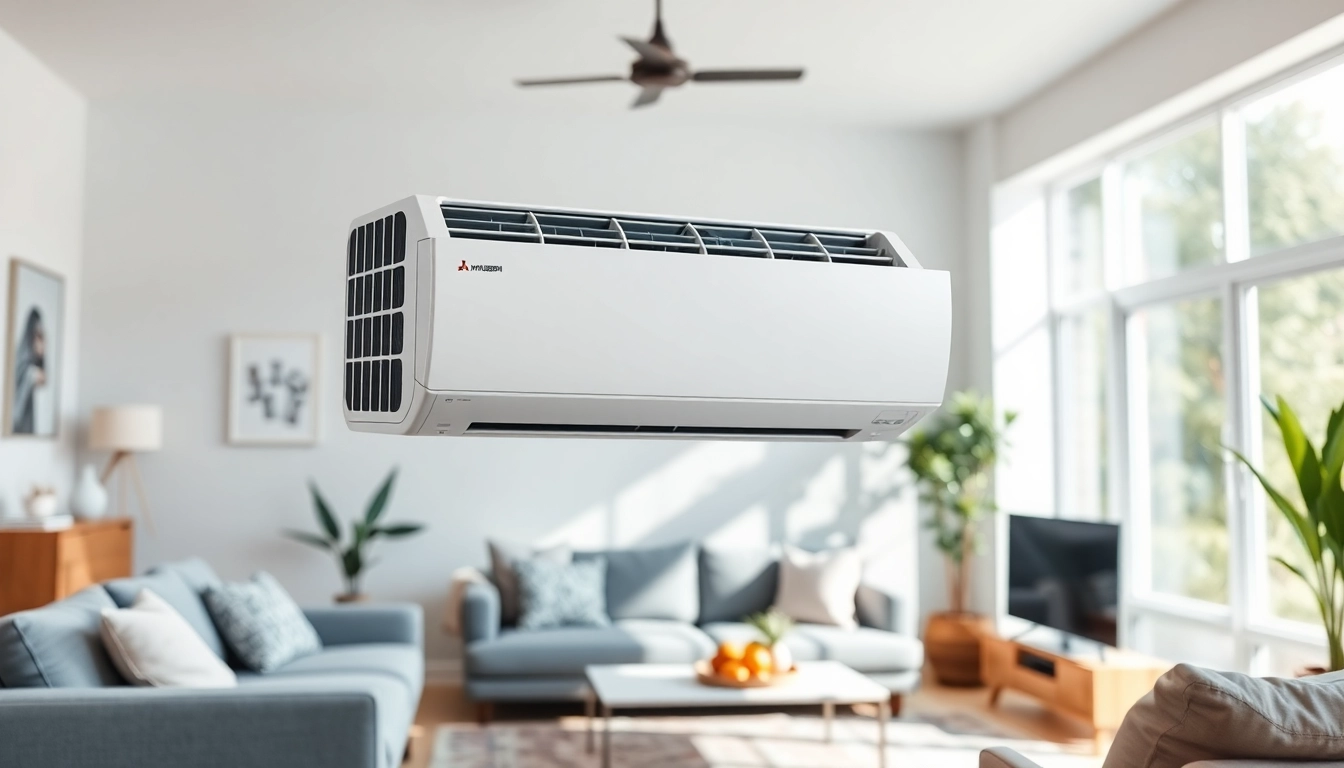
The mitsubishi mini split ac is a versatile and efficient air conditioning solution perfectly tailored for residential and commercial settings. Unlike conventional HVAC systems that rely on ductwork, mini split systems consist of an indoor evaporator unit and an outdoor condenser, connected by refrigerant lines. They allow for targeted cooling or heating in specific areas, enhancing both comfort and energy efficiency.
How Does the Mitsubishi Mini Split AC Work?
The operation of a Mitsubishi mini split AC revolves around the principles of refrigeration. The indoor unit absorbs heat from the room as refrigerant circulates through its coils. The refrigerant, now warmer, travels to the outdoor unit, where it releases the captured heat and cools down before returning indoors. This continuous cycle, driven by a compressor, effectively regulates indoor temperature without the energy losses associated with ductwork.
Benefits of Using a Mitsubishi Mini Split AC
Mitsubishi mini split AC systems offer several advantages:
- Energy Efficiency: With high SEER ratings, these units consume less energy compared to traditional systems, leading to reduced utility bills.
- Flexibility: Available in various sizes and configurations, they can be easily installed in almost any space, from small homes to larger commercial environments.
- No Ductwork Required: Ideal for retrofits, they don’t require ducts, eliminating duct leakage issues and making installation easier.
- Quiet Operation: Indoor units operate at low noise levels, making them suitable for bedrooms and offices.
- Individual Control: Multiple indoor units can be connected to one outdoor unit, allowing for individualized temperature control in different rooms.
Choosing the Right Mitsubishi Mini Split AC for Your Needs
Factors to Consider When Selecting a Mitsubishi Mini Split AC
When choosing the right Mitsubishi mini split AC, various factors should be assessed:
- Room Size: Calculate the square footage of the space to determine the appropriate BTU rating needed for effective cooling or heating.
- Climate Zone: Consider your location’s climate, as different regions may have different heating and cooling needs.
- Energy Efficiency: Look for units with high SEER and HSPF ratings to maximize energy savings.
- Noise Levels: Review the decibel ratings of indoor units to ensure they meet your comfort preferences.
- Features: Consider additional features such as remote control, Wi-Fi connectivity, and built-in air purification options.
Common Sizes and Capacities Explained
The capacity of a Mitsubishi mini split AC is measured in BTUs (British Thermal Units). Here’s a breakdown of common sizes:
- 1,000 – 6,000 BTU: Suited for small spaces such as bedrooms or home offices.
- 7,000 – 12,000 BTU: Ideal for medium-sized rooms like living rooms or dining areas.
- 13,000 – 24,000 BTU: Appropriate for larger areas, including open concept spaces and commercial units.
Comparing Models of Mitsubishi Mini Split AC
When selecting a model, compare features tailored to your specific needs:
- MSZ-GL Series: Known for affordability and efficiency; ideal for budget-conscious consumers.
- MSZ-FH Series: Features enhanced heating capability, operating even at low temperatures.
- MSZ-LN Series: Offers premium features such as smart control and stylish design, suitable for modern homes.
Installation and Setup of the Mitsubishi Mini Split AC
Step-by-step Guide to Installing Your Mitsubishi Mini Split AC
- Select Location: Choose a spot for the indoor unit that allows for optimal airflow.
- Mount the Bracket: Secure the mounting bracket on the wall, ensuring it is level.
- Install the Indoor Unit: Hang the indoor unit on the bracket and secure it in place.
- Drill Holes: Drill a passage for refrigerant lines and drain if necessary.
- Connect Refrigerant Lines: Connect the indoor unit to the outdoor compressor with the refrigerant lines.
- Establish Electrical Connections: Ensure correct electrical wiring for both units.
- Test the System: After installation, check for leaks and confirm that the system operates properly.
Common Installation Mistakes to Avoid
To ensure a successful installation, keep these common mistakes in mind:
- Poor Location Selection: Avoid installing in corners or behind furniture that can obstruct airflow.
- Improper Sizing: Ensure the unit matches the size of the room to avoid ineffectiveness.
- Neglecting Drainage: Ensure proper drainage to prevent water issues.
- Ignoring Electrical Codes: Abide by local electrical codes and safety standards to prevent hazards.
- Skipping Vacuuming: Failing to vacuum the lines can lead to system inefficiency.
Professional vs. DIY Installation: Pros and Cons
Consider the following pros and cons when deciding between professional installation and DIY:
- Professional Installation:
- Pros: Expertise ensures proper installation, warranty protection, and fewer long-term issues.
- Cons: Higher upfront costs and potential wait times for service.
- DIY Installation:
- Pros: Can be less expensive and provides personal satisfaction.
- Cons: Risk of improper installation and voided warranties.
Maintenance and Troubleshooting of Your Mitsubishi Mini Split AC
Routine Maintenance Tips for Optimal Performance
To keep your Mitsubishi mini split AC running efficiently, follow these maintenance tips:
- Clean or Replace Filters: Monthly cleaning or replacing filters improves airflow and efficiency.
- Check for Blockages: Regularly inspect the outdoor unit for debris or blockages that can hinder performance.
- Inspect Ductwork: If using ducted systems, ensure ductwork is sealed and insulated properly.
- Squeeze the Drain Line: Check the condensate drain line to ensure it is not clogged.
- Schedule Annual Inspections: Professional check-ups help identify issues before they become critical.
Common Issues and Solutions for Mitsubishi Mini Split AC
Here are common problems you may encounter and their solutions:
- Low Refrigerant Levels: If cooling is inadequate, check for leaks, and refill as necessary.
- Unit Not Turning On: Inspect the power supply and remote control batteries to diagnose the problem.
- Strange Noises: Identify if the noise is from loose parts or debris in the fan; resolve accordingly.
- Ice on Indoor Coil: This can happen due to restricted airflow; check filters, or call a technician.
- Water Leakage: This may indicate a clogged drain; clean the drain line to fix the issue.
When to Call a Professional for Repairs
If you encounter persistent issues, such as frequent system breakdowns, unusual noises, or significant drops in efficiency, it’s advisable to consult a professional. They have the tools and expertise to diagnose complex issues that may be beyond general maintenance.
Maximizing Efficiency and Comfort with Your Mitsubishi Mini Split AC
Energy Saving Tips for Mitsubishi Mini Split AC
To maximize energy efficiency:
- Set the Thermostat Wisely: Keep settings moderate to reduce energy consumption.
- Utilize Timer Settings: Take advantage of timer functions to operate the system less when you are not home.
- Close Doors and Windows: Seal off areas that you do not wish to cool.
- Use Ceiling Fans: Combining ceiling fans with the mini split unit allows for better overall air circulation.
- Regular Maintenance: Keep the system in peak condition with regular check-ups and servicing.
Smart Controls and Features of Mitsubishi Mini Split AC
Many Mitsubishi mini split units come with smart features including:
- Wi-Fi Connectivity: Control your system remotely via smartphone apps, adjusting settings from anywhere.
- Multi-Zone Control: Manage different zones in your home for tailored comfort.
- Energy Tracking: Some models offer insights into energy usage, helping you optimize efficiency.
- Advanced Air Filtration: Many units incorporate filtration technology that improves air quality.
Seasonal Adjustments for Optimal Comfort
Adjust your settings for seasonal changes:
- In Winter: Use the heating feature efficiently, keeping the thermometer at a comfortable 68°F.
- In Summer: Set air conditioning between 72°F and 75°F for comfort without excessive energy use.
- Seasonal Maintenance: Schedule a professional inspection at the beginning of each season to prepare the system.
FAQs
What size Mitsubishi mini split AC do I need for my room?
It depends on your room’s size and thermal load. Typically, a BTU rating of 1,000 to 2,000 is common for standard rooms.
Can I install a Mitsubishi mini split AC myself?
While DIY installation is possible, hiring a professional ensures optimal performance and warranty protection.
How often should I service my Mitsubishi mini split AC?
Regular maintenance, including cleaning filters and scheduled check-ups, is recommended at least once a year for best results.
Does the Mitsubishi mini split AC come with a warranty?
Yes, most models include a manufacturer’s warranty, typically covering parts for 5 to 10 years. Check details for specific terms.
Are Mitsubishi mini split ACs energy efficient?
Yes, these units typically have high SEER ratings, making them energy efficient, which helps lower utility bills.