
Drone Prezzo: Essential Insights for 2026 Aerial Technology Cost Trends
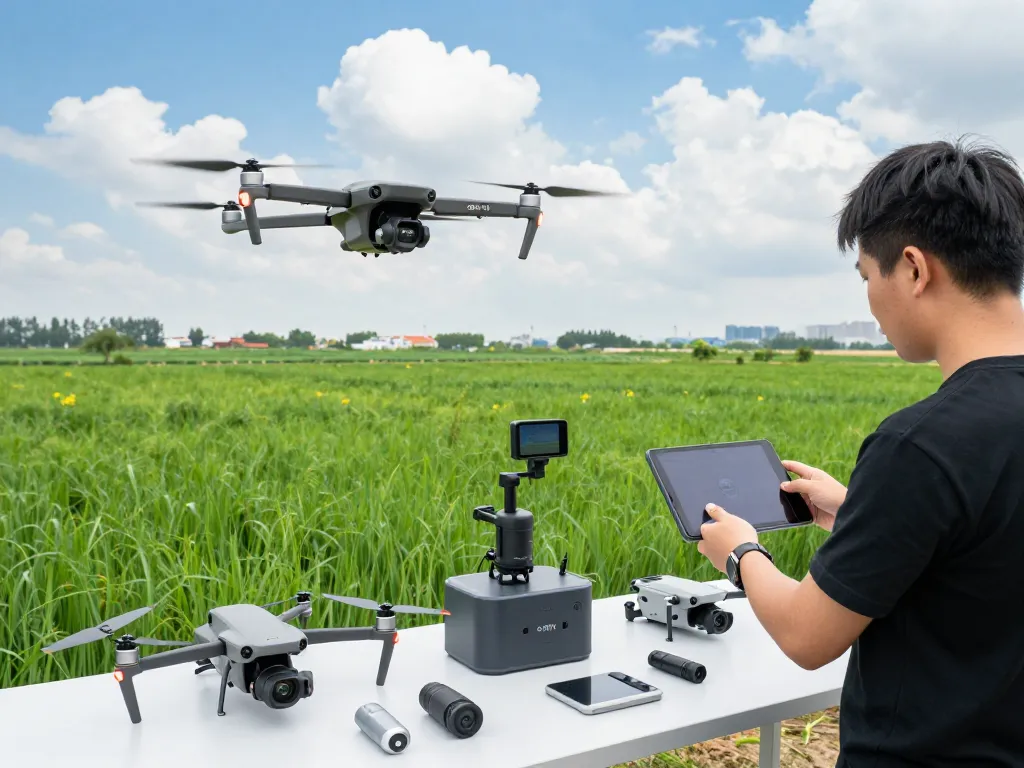
Understanding Drone Pricing: Factors Affecting Drone Prezzo
As the drone market expands rapidly, understanding drone prezzo becomes vital for consumers and businesses alike. The cost of drones can vary significantly based on several factors including technology, specifications, and market demand. This article will delve into the intricacies of drone pricing, helping readers navigate through the various options available in 2026.
Key Features Influencing Drone Prices
Several features contribute to the pricing of drones. Manufacturers often set prices based on:
- Camera Quality: Drones equipped with high-resolution cameras tend to carry a premium price. For instance, drones designed for professional photography may offer 4K video, which justifies a higher cost.
- Flight Time: Extended battery life can significantly increase a drone’s value. Drones that provide longer flight times between charges are desirable for both casual and professional users.
- Payload Capacity: Drones that can carry heavier payloads, such as agricultural sensors or cameras, typically cost more. Their design and engineering cater to specific use cases that require robustness.
- Durability and Weather Resistance: Models designed to withstand harsh conditions are priced higher due to the advanced materials and technologies used in their construction.
The Role of Technology in Drone Cost
The technology integrated into drones plays a crucial role in determining their cost. Features such as GPS-assisted navigation, autonomous flight capabilities, and obstacle detection systems can add to the price. For example, a drone with advanced AI for navigation can outperform its predecessors and cater to specific industrial applications, thus justifying a higher price tag.
Market Trends in Drone Pricing for 2026
Market trends are shifting towards highly specialized drones. In 2026, it is expected that drones aimed at niche markets, such as agricultural applications and industrial inspections, will dominate the pricing landscape. The rise of regulations and the need for compliance with safety standards will also influence costs, as manufacturers will invest in technology to meet these requirements.
Types of Drones and Their Pricing: A Comprehensive Guide
Entry-Level Drones: Affordable Options for Beginners
Entry-level drones are typically priced between $50 and $500. These models are designed for casual users and beginners. Features often include:
- Easy to Use: Simple controls and built-in tutorials to help beginners learn the basics of flying.
- Basic Camera: Usually equipped with lower quality cameras suitable for casual photography.
- Limited Flight Time: Generally offer shorter battery life, making them less suitable for extensive use.
Professional Drones: Cost Implications and Specifications
Professional drones, often used in industries such as agriculture, real estate, and surveying, range from $500 to $5,000 or more. These drones come equipped with:
- High-Resolution Cameras: Capable of capturing detailed images necessary for commercial work.
- Advanced Navigation Systems: GPS and real-time data processing for precision flying.
- Extended Battery Life: Enhanced power management to support longer operational times.
Specialized Drones: Unique Pricing Strategies
Specialized drones, including those used for search and rescue or environmental monitoring, can exceed $10,000. These drones are designed for specific applications and often incorporate cutting-edge technology such as:
- Thermal Imaging: Essential for search and rescue operations.
- Heavy Payloads: Capable of carrying specialized equipment and sensors.
- Customizable Features: Tailored to meet specific operational needs, which can increase development costs.
Rental Services for Drones: Economical Choices and Pricing
Benefits of Renting vs. Buying Drones
For businesses or individuals who require drones for a short period, renting can be more economical than purchasing. Benefits include:
- Cost-Effectiveness: Renting can eliminate high upfront costs associated with buying.
- Access to Latest Models: Rental services often provide access to the latest technology without the need for direct investment.
- No Maintenance Costs: Rentals typically include maintenance, further reducing overall expenditure.
Average Costs of Drone Rental Services
The average rental cost for drones varies widely based on specifications and duration. Expect to pay anywhere from $50 to $500 per day depending on the type of drone. For specialized drones or longer rental periods, the costs can increase significantly.
Popular Rental Platforms to Consider
There are several platforms where users can rent drones, including:
- Droners.io: Offers a variety of drone types for different applications.
- Fat Shark: Known for specialty drones ideal for professional use cases.
- Horus Dynamics: Provides rental options alongside expert consultation to guide selection.
Maximizing Value: Best Practices for Buying Drones
Evaluating Drone Specifications vs. Price
Before purchasing a drone, it’s essential to compare specifications against prices. Consider what features are necessary for your needs and avoid overpaying for capabilities you won’t use.
Understanding Warranty and After-Sales Services
When investing in a drone, understanding the warranty and after-sales service is crucial. A solid warranty can save you money on repairs and replacements if something goes wrong.
Tips for Negotiating Drone Prices
Don’t hesitate to negotiate the price of a drone. Research similar models and use that information as leverage when discussing terms with a seller.
Future Predictions: Drone Pricing Trends Beyond 2026
Technological Advancements Affecting Future Costs
As drone technology continues to advance, the costs are expected to fluctuate. The integration of artificial intelligence, enhanced sensors, and improved battery technology will likely drive costs down while also introducing new premium features that could increase base prices for cutting-edge models.
Expected Changes in Market Demand for Drones
Market demand for drones is expected to grow significantly as industries recognize their value. This demand growth could lead to competitive pricing strategies among manufacturers, potentially lowering prices over time.
Insights from Industry Experts on Future Pricing Models
Experts predict that the drone market will see a shift towards subscription pricing models for services, possibly making advanced drones more accessible without a substantial upfront investment.
What are the average prices for consumer drones?
Consumer drones generally range from $50 for basic models to upwards of $1,500 for more advanced consumer-friendly drones, like those from DJI.
How does drone price vary by category?
Drone prices vary significantly across categories; entry-level drones are far cheaper than professional or specialized options, which can reach into the thousands of dollars.
Are rental drones significantly cheaper than purchasing?
Renting drones can be more cost-effective for short-term projects, especially when comparing the rental costs to the total expense of purchasing, maintaining, and insuring a drone.
What factors should I consider before buying a drone?
Consider your intended use, required specifications, budget, and potential future needs before making a purchase decision.
How will drone technology impact future prices?
Advancements in technology are expected to influence pricing both positively and negatively, with newer models potentially costing more while older models may decrease in value.
