Choosing the Right Flat Box Spring for Your Mattress Needs
Understanding Flat Box Springs
What Is a Flat Box Spring?
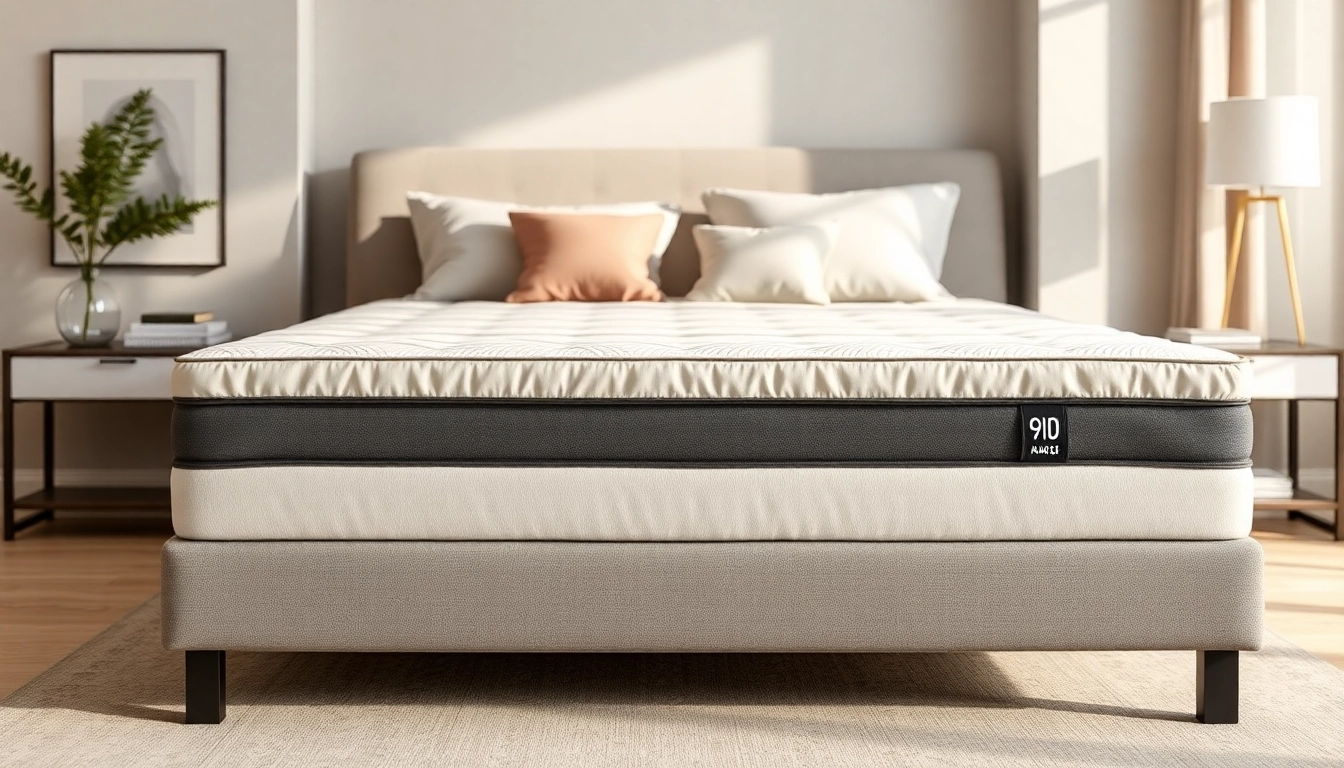
A flat box spring is a foundational element designed to support mattresses, providing a stable base that enhances comfort and prolongs the lifespan of mattresses. Unlike traditional box springs, which often feature springs that provide additional bounce, flat box springs offer a solid, rigid surface. Typically made from wood or metal, they serve to absorb weight, distribute pressure evenly, and prevent sagging or damage to the mattress over time. A flat box spring is an excellent choice for those seeking a straightforward and reliable foundation.
Benefits of Using a Flat Box Spring
There are several advantages to choosing a flat box spring, including:
- Enhanced Mattress Durability: By providing solid support, flat box springs minimize wear and tear on the mattress.
- Improved Comfort: The firm surface helps in evenly distributing body weight, which can lead to a more comfortable sleep experience.
- Cost-Effectiveness: Generally, flat box springs are more affordable than their traditional counterparts, making them an attractive option for budget-conscious shoppers.
- Versatility: They are compatible with a variety of mattress types, including memory foam, innerspring, and hybrid models.
- Stable Support: The consistent surface helps prevent motion transfer, making it ideal for couples or individuals who shift during sleep.
Common Myths About Flat Box Springs
Despite their popularity, there are many misconceptions surrounding flat box springs:
- Myth 1: Flat box springs are only for specific mattress types.
Fact: They are suitable for various mattresses, providing necessary support. - Myth 2: Flat box springs don’t need maintenance.
Fact: Regular checks and proper care can prolong their life and effectiveness. - Myth 3: All flat box springs are the same.
Fact: They can vary widely in materials and construction quality, affecting performance.
Types of Flat Box Springs
Wooden vs. Metal Flat Box Springs
When it comes to flat box springs, two main materials are commonly used: wood and metal, each offering distinct advantages.
- Wooden Flat Box Springs: Often made from high-quality plywood or solid wood, these box springs are durable and offer a classic aesthetic that fits well into most bedroom designs. They tend to absorb more noise and vibrations than metal options, creating a quieter sleeping environment.
- Metal Flat Box Springs: Typically constructed from steel, metal box springs are known for their strength and resilience. They can be lighter than wooden options, making them easier to move. Metal box springs also tend to have a modern appearance and can be more cost-effective, providing strong support without overloading a budget.
Adjustable Flat Box Spring Options
Adjustable flat box springs are gaining popularity for their versatility. They allow users to alter the angle of the mattress, which can enhance comfort by providing support for various activities—reading, watching television, or relaxing. These options often come with various features, such as massage settings or programmable positions, making them a luxurious choice for individuals seeking enhanced functionality.
Eco-Friendly Materials for Flat Box Springs
As sustainability becomes increasingly important to consumers, many manufacturers are beginning to offer eco-friendly flat box springs. These products are often made with sustainable materials, such as bamboo plywood or recycled steel, and employ non-toxic adhesives and finishes. Choosing an eco-friendly flat box spring not only supports your well-being but also contributes positively to the environment.
How to Choose the Right Flat Box Spring
Assessing Compatibility with Your Mattress
Choosing the right flat box spring begins with assessing its compatibility with your mattress. Most modern mattresses are designed to work with various types of foundations. Consider factors such as the mattress type—whether it’s foam, innerspring, or hybrid—and its weight requirements. It’s essential to review the mattress manufacturer’s guidelines, since using the wrong foundation can void warranties or lead to premature wear.
Factors to Consider When Buying
When selecting a flat box spring, consider the following factors:
- Material: Choose between wood and metal based on aesthetics, durability, and sound absorption needs.
- Weight Capacity: Ensure that the flat box spring can support both the mattress and sleepers without sagging.
- Size: It should match the size of your mattress for optimal support.
- Height: Depending on your preferences, consider the height of the flat box spring and how it fits with your bed frame and overall bedroom design.
Size and Height Options for Flat Box Springs
Flat box springs come in various sizes—twin, full, queen, and king—matching standard mattress sizes to ensure a perfect fit. Additionally, height options can significantly influence the overall look and functionality of your bed setup. A standard height is usually around 5 to 9 inches, but low-profile designs are available for those who prefer a minimalistic aesthetic. It’s vital to measure your bed frame height to make an informed decision about which option to select.
Care and Maintenance of Flat Box Springs
Cleaning Your Flat Box Spring
Maintaining a clean flat box spring is crucial for prolonging its lifespan. Regularly vacuuming the fabric and framework using a handheld vacuum can help remove dust and allergens. For deeper cleaning, consider using a mild detergent or fabric cleaner, and avoid soaking the material. If you have a metal flat box spring, a simple wipe-down with a damp cloth should suffice.
Protecting Your Investment
To further protect your flat box spring, use a mattress protector to defend against spills, stains, and dust mites. Ensure to rotate and flip your mattress regularly, if applicable, to encourage even wear and to maximize support.
Signs It’s Time to Replace Your Flat Box Spring
Recognizing when it’s time to replace your flat box spring can be pivotal in maintaining ideal sleep conditions. Look for signs like:
- Visible sagging or indentations.
- Increased noise when moving.
- Age: If it’s older than ten years, it might be worth replacing even if it appears fine.
FAQs About Flat Box Springs
What size flat box spring do I need?
The size of the flat box spring should match the dimensions of your mattress. Options typically include twin, full, queen, and king sizes, ensuring compatibility with standard mattresses.
How long does a flat box spring typically last?
A quality flat box spring can last anywhere from 10 to 15 years, depending on usage, maintenance, and the materials used in its construction.
Can I use a flat box spring with any mattress?
While flat box springs are compatible with most mattress types, it’s essential to check the manufacturer’s guidelines for specific recommendations to avoid warranty issues.
What advantages do flat box springs have over other types?
Flat box springs offer solid support, affordability, compatibility with various mattresses, and help prevent sagging, contributing to a longer mattress life compared to traditional box springs.
Do flat box springs need special care?
Flat box springs require minimal special care, but regular cleaning and maintenance can help prolong their lifespan and maintain optimal performance.