Advanced 3D Model Generator: Elevate Your Design Projects in 2026
Understanding the 3D Model Generator Technology
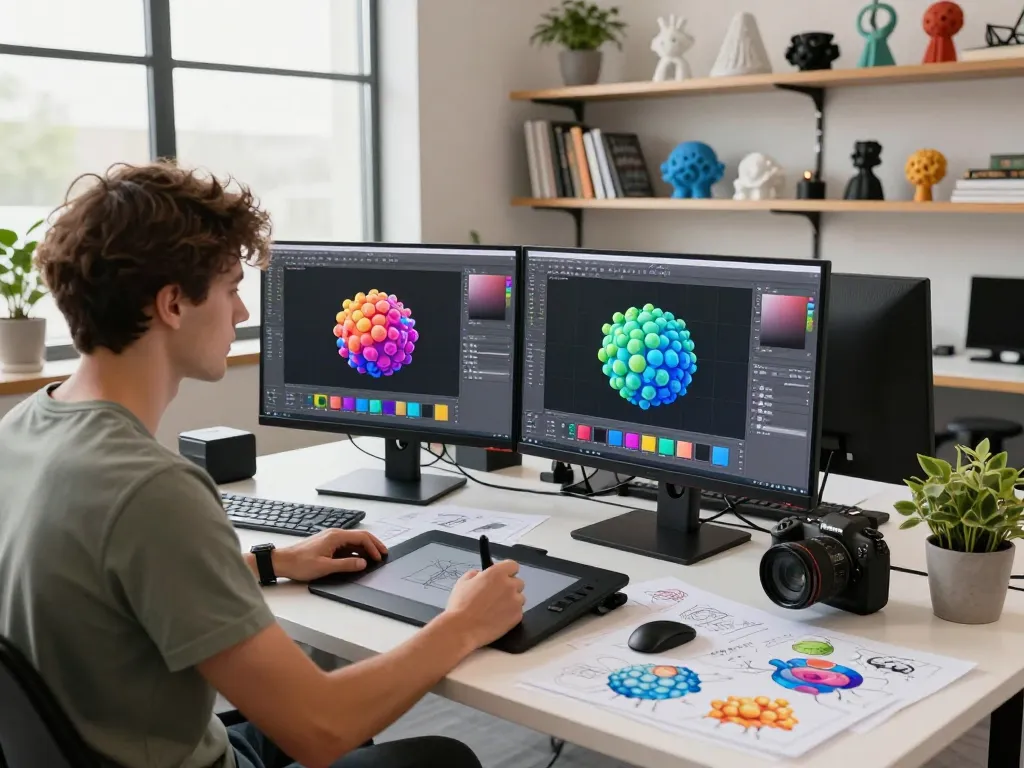
The landscape of design and modeling has evolved significantly in recent years, and 3D model generators are at the forefront of this transformation. These innovative tools utilize advanced algorithms and artificial intelligence to streamline the creation of highly detailed three-dimensional models from simple inputs such as text or images. For designers, artists, and creators, this means unprecedented opportunities to bring their visions to life with speed and efficiency. When exploring options, 3D Model generator offers comprehensive insights into the various features and capabilities you might expect from these systems.
What is a 3D Model Generator?
A 3D model generator is a software tool designed to automate the creation of three-dimensional objects. It typically utilizes algorithms to convert specifications like textual descriptions or visual references into complex models that can be manipulated and rendered in various applications such as gaming, animation, and 3D printing. These generators minimize the time and effort required to produce detailed models, allowing users to focus more on creativity and less on the technicalities of modeling.
Key Features of Modern 3D Model Generators
Modern 3D model generators come equipped with a suite of powerful features that enhance their usability and effectiveness:
- Text-to-3D Conversion: Users can input textual prompts, and the generator creates corresponding 3D models by interpreting the language input.
- Image Processing: Many tools allow users to upload images which the software then analyzes to create accurate and intricate models.
- Customization Options: Some generators provide advanced editing capabilities, allowing users to fine-tune models, adjust dimensions, or add textures post-creation.
- Export Formats: They support various output formats compatible with popular software in design and CAD, making it easy to integrate with existing workflows.
- Collaboration Tools: Some platforms enable multiple users to collaborate on projects, providing a shared workspace for teams.
Comparison of Popular 3D Model Generators in 2026
As of 2026, several notable players dominate the 3D model generator market, each offering unique functionalities:
- Meshy AI: Known for its intuitive interface and rapid model generation capabilities from text and images.
- Canva’s 3D Model Generator: Popular for its accessibility, it caters primarily to beginners and enthusiasts.
- Tripo: Offers exceptional quality in image-to-3D conversions, making it ideal for professionals.
- HexaGen: Specialized in transforming images into detailed 3D representations swiftly.
- Fast3D: Recognized for its speed and efficiency, appealing to users requiring quick turnarounds.
Benefits of Using a 3D Model Generator for Designers
Streamlining the Design Process
One of the primary advantages of utilizing a 3D model generator is the ability to streamline the design process. Traditional modeling can be time-consuming and requires significant manual effort. With a generator, designers can produce accurate models in a fraction of the time, allowing for quicker iterations and adjustments to designs.
Enhancing Creativity and Innovation
By taking over the technical aspects of modeling, these generators free designers to focus on creative exploration. This shift encourages more innovative solutions and fresh ideas, as users can quickly visualize concepts without the constraints of manual modeling limitations.
Cost-Effective Solutions for Professionals
For businesses and freelancers, investing in a 3D model generator can lead to substantial savings. The reduced time and labor costs associated with model creation can greatly enhance profitability, while also enabling firms to take on more projects simultaneously.
How to Choose the Right 3D Model Generator?
Assessing Your Design Needs and Goals
Before selecting a 3D model generator, it is crucial to assess your specific design needs and goals. Consider what types of projects you will be working on, the complexity of the models required, and whether you need advanced features for rendering or animation.
Evaluating Software Usability and Compatibility
The usability of the software is another critical factor. A user-friendly interface can significantly reduce the learning curve, especially for beginners. Additionally, ensure that the generator is compatible with other tools you might be using—this integration is vital for a seamless workflow.
Analyzing Pricing Models and Subscription Plans
Pricing can vary substantially across different 3D model generators. Some may offer free versions with limited features, while others might have subscription-based models that provide advanced capabilities. Evaluate your budget and the features you need to choose the best option for your situation.
Common Challenges When Using 3D Model Generators
Learning Curve for New Users
While many 3D model generators aim to simplify the design process, there can still be a learning curve, especially for users unfamiliar with similar software. However, most platforms offer tutorials and user guides to assist new users in getting started.
Software Limitations and Technical Issues
Some generators may have limitations in terms of the complexity of the models they can generate or the variety of file formats they support. Users may encounter technical issues that require troubleshooting, potentially disrupting the design workflow.
Ensuring Quality and Precision in Outputs
Despite the automation, ensuring the quality and precision of the models generated is crucial. Users should verify the outputs and be prepared to make manual adjustments if necessary to meet their standards for accuracy and detail.
The Future of 3D Model Generators Beyond 2026
Emerging Trends and Innovations in 3D Modeling
Looking ahead, emerging trends in 3D modeling suggest a continued integration of AI and machine learning technologies. These advancements promise to enhance the capabilities of model generators, making them even more intuitive and capable of producing higher-quality outputs.
Impact of AI and Machine Learning on Design
AI and machine learning are set to revolutionize how 3D models are generated. Future iterations of these technologies may allow for predictive modeling based on input data, enabling designers to foresee potential design challenges and adjust their models proactively.
Predictions for the 3D Modeling Industry
As the demand for 3D models grows across various industries—from gaming and film to manufacturing and architecture—the 3D modeling industry is likely to expand significantly. Companies that adopt and invest in advanced 3D model generators will be better equipped to innovate and stay ahead in this competitive landscape.
What is a 3D Model Generator and How Does It Work?
A 3D model generator leverages algorithms to create three-dimensional models based on either textual input or image references. By analyzing the input data, these generators can produce complex geometries and textures, making them invaluable tools for designers and artists.
Can I Use a 3D Model Generator for 3D Printing?
Yes, many 3D model generators are specifically designed to create models that are suitable for 3D printing. They often provide options for exporting files in formats that are compatible with standard 3D printers, streamlining the process of bringing digital designs into the physical world.
What Are the Best Free 3D Model Generator Tools Available?
Several free 3D model generators make advanced modeling accessible to hobbyists and professionals alike. Platforms like Canva and Fast3D offer user-friendly interfaces and essential features to create basic models without the need for a paid subscription.
How Accurate Are the Models Created by 3D Generators?
The accuracy of models generated by 3D model generators can vary depending on the technology and algorithms used. While many modern generators produce highly detailed and precise outputs, users should always review and fine-tune their models to ensure they meet their specific accuracy standards.
What Industries Benefit the Most from 3D Model Generators?
Industries such as gaming, architecture, film, and manufacturing stand to gain significantly from the use of 3D model generators. These tools enable professionals to create realistic prototypes, streamline design workflows, and enhance visual storytelling.