6 Expert-Approved Desktop Oscilloscope Strategies for Precision Measurement in 2026
Understanding the Desktop Oscilloscope
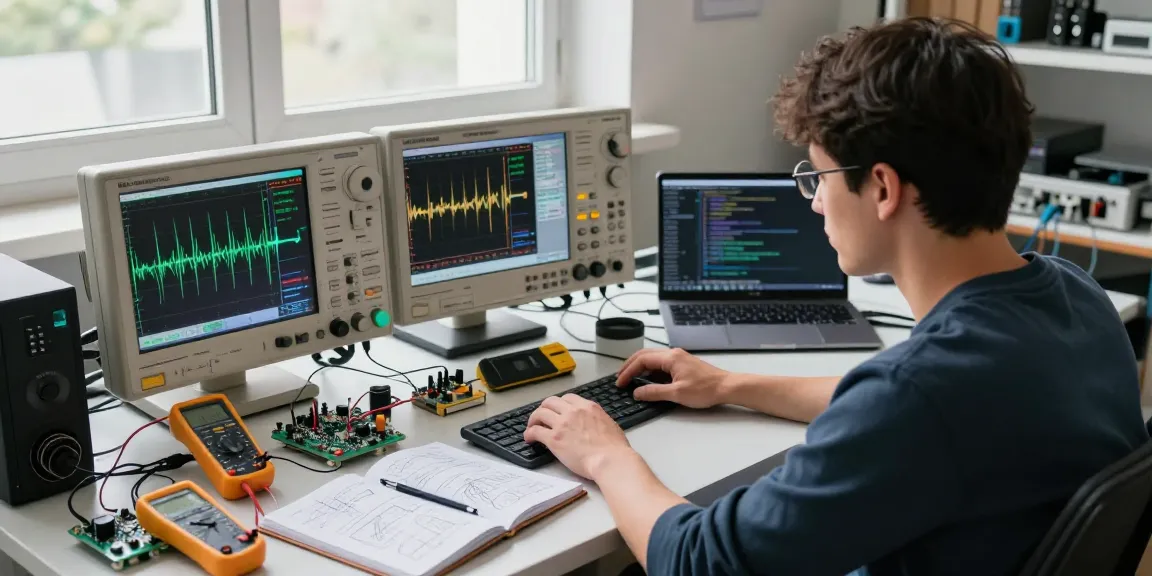
A desktop oscilloscope is an essential tool for anyone involved in electronics, from hobbyists to professional engineers. The ability to visualise electrical signals on a screen allows users to analyse waveforms and diagnose issues within circuits. As technology continues to evolve, modern oscilloscopes, such as the Hanmatek DOS1102S, integrate advanced features that make them not only powerful but also user-friendly. When exploring options, desktop oscilloscope provide comprehensive insights into signal behaviours and aid in accurate measurements.
What is a Desktop Oscilloscope?
A desktop oscilloscope is a device used for observing the changing signal voltages in electronic circuits. Unlike handheld oscilloscopes, desktop models typically offer greater capabilities and higher performance, making them suitable for more complex applications. They can capture fast-changing signals, display them in real-time, and allow for thorough analysis through various measurement and visualisation methods.
Key Features to Look For
When selecting a desktop oscilloscope, several features are crucial to consider:
- Bandwidth: This is the frequency range the oscilloscope can effectively measure. A higher bandwidth is essential for capturing fast signals accurately.
- Sample Rate: Measured in samples per second (Sa/s), a higher sample rate allows the scope to capture more data points and provides a more detailed waveform.
- Channel Count: Multiple channels enable the user to view and compare different signals simultaneously, which is beneficial for testing complex circuits.
- Display Size and Quality: A larger, high-resolution display enhances visibility and allows for easier interpretation of waveforms.
- Built-in Features: Functions such as FFT analysis, automated measurements, and storage capabilities can significantly enhance the oscilloscope’s utility.
Benefits of Using a Desktop Oscilloscope
Utilising a desktop oscilloscope offers multiple advantages:
- Accurate Measurements: High performance and precision in signal analysis ensure reliable measurements across various applications.
- Versatility: Different operating modes cater to a wide range of testing needs, from simple voltage measurements to complex signal processing.
- User-Friendly Interfaces: Modern oscilloscopes often come with intuitive controls and touchscreen displays, making them accessible even for beginners.
- Enhanced Analysis Tools: Features such as automated measurements and statistical analysis tools simplify the analysis process and save time.
Practical Applications of Desktop Oscilloscopes
Desktop oscilloscopes are utilised in a variety of contexts across numerous industries, proving their versatility and importance in electronic testing and design.
Signal Analysis in Electronics
Engineers use oscilloscopes extensively for signal analysis, allowing them to observe the behaviour of electrical signals in real-time. This capability is essential for debugging and ensuring the performance of circuits. With the Hanmatek DOS1102S, for example, engineers can leverage its high bandwidth and sampling rate to observe rapid fluctuations in signals, offering insights that are vital for product development.
Testing and Troubleshooting Circuits
The ability to troubleshoot circuits is a core application of desktop oscilloscopes. They help identify issues such as voltage spikes, oscillation problems, and noise interference. Detailed waveform analysis can pinpoint the exact moment a circuit fails, allowing for quick rectification. Features like the auto-cursor function aid in determining the timing and amplitude of signals, which is critical during the troubleshooting process.
Educational Uses in Engineering Courses
In educational settings, desktop oscilloscopes serve as invaluable tools for teaching fundamental concepts of electronics. They allow students to visualise theoretical concepts and understand practical applications in real time. The hands-on experience gained through using oscilloscopes aids in solidifying students’ knowledge, preparing them for careers in engineering.
Getting Started with Your New Desktop Oscilloscope
Setting up your new desktop oscilloscope is essential for optimal performance and accurate measurements. A proper setup ensures you can take full advantage of its features from the first use.
Setting Up Your Device
To set up your desktop oscilloscope, begin by placing it on a stable surface and ensuring it is connected to a power source. Next, connect the probes to the input channels of the oscilloscope. It’s critical to verify that the probes are properly calibrated before conducting any measurements to ensure accuracy.
Basic Operating Procedures
Once set up, familiarize yourself with the operating controls. For the DOS1102S, features like the one-click show all measurements function conveniently display key parameters, making it easier to read and understand the waveforms. Adjust the time base and voltage scale to fit the specific signal you are measuring, and ensure the trigger settings are set correctly to capture the signal adequately.
Pro Tips for Effective Measurements
To achieve the most effective measurements with your desktop oscilloscope, consider the following tips:
- Minimise Noise: Keep cables short and shielded, and avoid placing the oscilloscope near other electronic equipment to reduce interference.
- Calibrate Regularly: Regular calibration ensures accuracy over time, particularly after extensive usage or when moving between different environments.
- Use Appropriate Probes: Ensure you are using probes rated for the specific frequencies and voltages you wish to measure to avoid damage to your equipment.
Common Challenges and Troubleshooting
While desktop oscilloscopes are powerful tools, users may encounter specific challenges during operation. Understanding these challenges can streamline the troubleshooting process.
Identifying Signal Distortions
Signal distortions can significantly affect measurements and analysis. Ensure you are using the correct probe settings and check the bandwidth of the oscilloscope against the signal frequency. Misconfigured settings can lead to inaccurate readings and misinterpretation of waveforms.
Common Setup Errors
Setup errors are often the cause of measurement failures. Double-check connections, probe settings, and ensure that the oscilloscope’s calibration is up to date. Many modern oscilloscopes, including the DOS1102S, come with built-in diagnostic tools to aid in identifying setup errors quickly.
When to Seek Professional Support
If persistent issues arise that you cannot resolve, don’t hesitate to seek professional assistance. An experienced technician can offer insights that may not be immediately obvious and ensure your desktop oscilloscope is functioning optimally.
The Future of Desktop Oscilloscopes
The landscape of electronic measurement technology is continually evolving. This evolution is set to introduce new capabilities and functionalities in desktop oscilloscopes.
Emerging Trends in 2026
As we look towards 2026, several trends are emerging in the desktop oscilloscope industry. These include robust integration with software applications for data analysis and enhanced connectivity options that allow for remote access and monitoring of signals.
Integration with AI and IoT
The integration of artificial intelligence (AI) and the Internet of Things (IoT) into oscilloscopes is expected to elevate their functionality, enabling predictive analytics and smarter diagnostics. This integration could streamline workflows and enhance the precision of electrical measurements.
Predicted Improvements in Functionality
Improvements in user interfaces, increased memory capacities, and advanced features such as automated pattern triggering are anticipated. These advancements aim to facilitate even more sophisticated testing scenarios, making oscilloscopes not just measurement tools but comprehensive analytical systems.
What is a desktop oscilloscope used for?
A desktop oscilloscope is mainly used for visualising and measuring electrical signals in various applications, including electronics design, troubleshooting, and educational training.
How can I optimise measurements using my oscilloscope?
Optimising measurements involves using proper probe techniques, calibrating your device regularly, and analysing signals under controlled conditions to minimise noise and interference.
Are there desktop oscilloscopes for beginners?
Yes, there are many user-friendly desktop oscilloscopes designed for beginners that come with simplified interfaces and built-in tutorials to assist learning.
What are the best practices for maintaining my oscilloscope?
Regular maintenance includes recalibrating the device, inspecting and replacing probes as necessary, and keeping the unit clean and dust-free to ensure longevity and accuracy.
How has desktop oscilloscope technology evolved?
Technological advancements have led to more compact designs, enhanced features like touchscreens, and integration with advanced analytic functions, making desktop oscilloscopes more versatile than ever before.