Discover Top Brick Pavers Near Me: 2026 Expert Guide to Outdoor Living Spaces
Understanding Brick Pavers: The Foundation of Your Outdoor Space
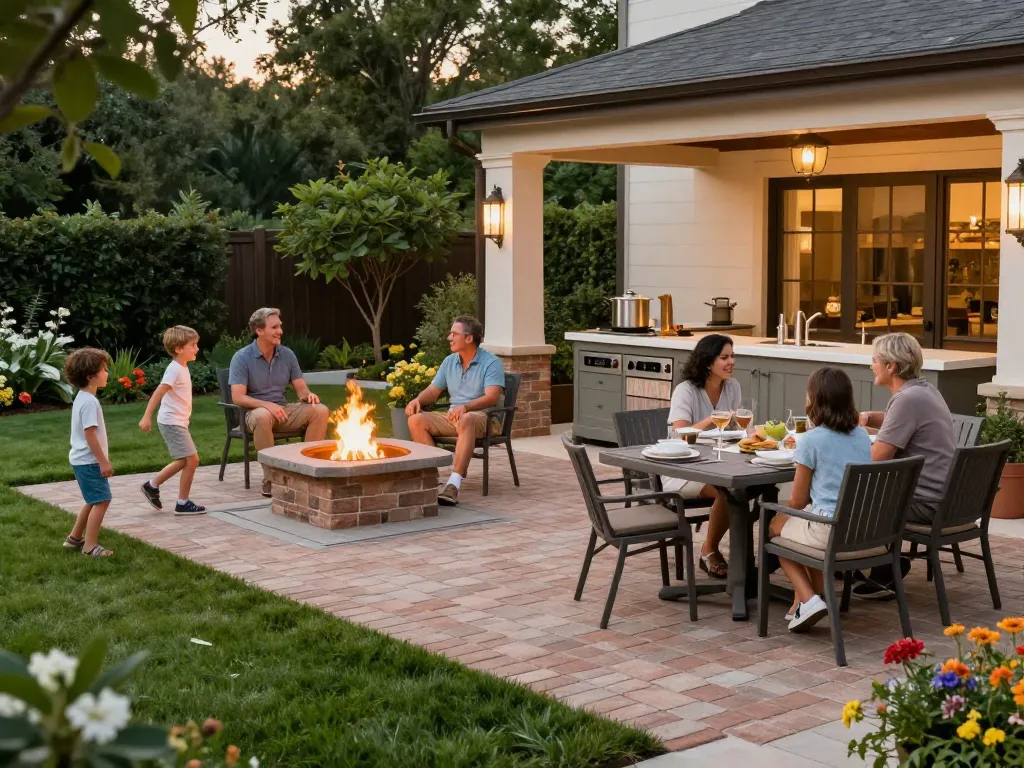
When it comes to transforming your outdoor living areas into inviting and stylish spaces, understanding the fundamentals of brick pavers is crucial. Not only are they essential for creating durable surfaces, but they also play a significant role in the aesthetic appeal of patios, walkways, and driveways. With a wide range of options available, homeowners and enthusiasts alike often search for Brick pavers near me to find the best materials and services tailored to their specific needs. This article will delve into the world of brick pavers, exploring their benefits, common misconceptions, and much more.
What are Brick Pavers?
Brick pavers are small, rectangular blocks made from fired clay, concrete, or other materials, designed specifically for outdoor surfaces. They come in various shapes, sizes, and colors, allowing for versatile design options. Due to their interlocking nature, brick pavers provide a strong, stable surface that can withstand the elements, making them an ideal choice for driveways, patios, and walkways.
Benefits of Using Brick Pavers Near Me
- Durability: Brick pavers are engineered to last, often outlasting other paving materials like asphalt or poured concrete.
- Low Maintenance: With proper care, brick pavers require minimal upkeep, making them a hassle-free solution for outdoor spaces.
- Eco-Friendly: Many brick pavers are made from recycled materials and are permeable, allowing water to drain through, reducing runoff and promoting sustainability.
- Aesthetic Appeal: Available in a multitude of colors and patterns, brick pavers can seamlessly blend with any landscape design.
Common Misconceptions about Brick Pavers
Despite their popularity, several misconceptions surround brick pavers. One common belief is that they are overly expensive compared to concrete or asphalt. While the initial installation cost may be higher, their durability and low maintenance requirements often lead to long-term savings. Another misconception is that brick pavers are slippery when wet. However, their textured surface provides adequate traction, making them safer than many smooth surfaces.
Choosing the Right Brick Pavers for Your Project
Choosing the right brick pavers is essential to achieving the desired look and functionality for your outdoor space. Several factors should be taken into consideration to ensure you make the best choice for your specific project.
Factors to Consider When Selecting Brick Pavers
- Material: Determine whether you prefer clay, concrete, or another material based on aesthetic preferences and budget.
- Color and Design: Choose colors and patterns that complement your home’s architecture and landscape.
- Size and Shape: Consider how different sizes and shapes can create unique designs and patterns.
- Climate Suitability: Some materials perform better in specific climates; thus, understanding your local weather conditions is vital.
Popular Styles and Colors of Brick Pavers
Brick pavers come in a variety of styles and colors. Traditional red clay pavers are timeless, while modern options might include earthy tones, blues, and grays that can match contemporary designs. Styles can range from classic cobblestones to sleek, contemporary designs that feature clean lines. Homeowners should select pavers that not only reflect their personal style but also harmonize with their existing landscaping.
Comparing Brick Pavers and Other Materials
When considering outdoor surfaces, it’s essential to compare brick pavers with other materials like concrete and natural stone. Concrete is often less expensive but may lack the aesthetic charm of brick. Natural stone offers beauty and durability but can be significantly more costly. Brick pavers provide a balance of durability, aesthetic appeal, and cost-effectiveness, making them a popular choice for many homeowners.
Installation Process for Brick Pavers
Understanding the installation process for brick pavers can significantly affect the outcome of your outdoor project. Whether you decide to hire professionals or take the DIY route, knowing the key steps involved is essential for ensuring a successful installation.
Preparing Your Outdoor Space for Installation
The first step in installing brick pavers is preparing the area. This involves clearing the space of any existing materials, leveling the ground, and ensuring proper drainage. A well-prepared base is critical for the longevity and stability of the finished product.
Professional vs. DIY Installation: Which is Right for You?
Deciding between professional installation and a DIY approach depends on various factors such as budget, time, and experience. Professionals bring expertise and efficiency, while DIY projects can save money if you have the necessary skills and time to dedicate to the installation. Carefully weigh the pros and cons of each option before making a decision.
Key Steps in Installing Brick Pavers Near Me
- Excavate: Remove the grass and soil to a depth suitable for the pavers.
- Install Base Material: Add crushed stone or gravel to create a stable base, leveling it as you go.
- Lay the Pavers: Begin laying pavers from a corner or edge, using spacers to ensure even placement.
- Compact the Surface: Use a plate compactor to settle the pavers into the base, ensuring stability.
- Fill Joints: Apply sand to fill the joints between the pavers, sweeping off excess once filled.
Maintaining Your Brick Pavers for Longevity
Maintaining your brick pavers is crucial to ensuring they last and continue to look great. Regular maintenance can prevent small issues from becoming significant problems later on.
Best Practices for Cleaning and Care
Cleaning your brick pavers can be as simple as sweeping away debris and hosing them down periodically. For tougher stains, consider using a mixture of water and mild detergent. Avoid harsh chemicals that can damage the surface.
Common Issues and How to Fix Them
Common issues with brick pavers include shifting, cracking, and joint sand erosion. If pavers become uneven, they may need to be reset. Cracked pavers should be replaced, and joint sand can be replenished to prevent weed growth.
Seasonal Maintenance Tips for Brick Paver Patios
- Spring: Remove debris and check for any shifting of pavers that occurred during winter.
- Summer: Regularly sweep and wash patios to prevent buildup from outdoor activities.
- Fall: Clear leaves and debris to prevent staining; consider sealing the pavers if not already done.
- Winter: Use salt sparingly, as it can damage the surface; consider using sand for traction instead.
Future Trends in Outdoor Hardscaping and Brick Pavers
The field of outdoor hardscaping is evolving, and brick paver technology is at the forefront of these changes. Understanding future trends can help homeowners make informed decisions about their outdoor spaces.
Innovative Designs in Brick Paver Installations for 2026
In 2026, expect to see even more innovative designs incorporating unique layouts and textures. Advanced paving techniques allow for intricate patterns and designs that can transform traditional outdoor spaces into stunning visual statements.
Eco-Friendly Options in Brick Paving Materials
As sustainability becomes increasingly important, more manufacturers are producing eco-friendly brick paving options. These may include recycled materials or permeable pavers that allow for natural water drainage, helping to reduce runoff.
How Smart Technology is Influencing Outdoor Spaces
Smart technology is also making its way into outdoor spaces, with automated lighting and irrigation systems becoming more common. Integration of these systems with brick paver installations can enhance the functionality and aesthetic appeal of outdoor living areas.
What is the average cost of brick pavers?
The average cost of brick pavers typically ranges from $4 to $15 per square foot. Factors influencing the price include material quality, design complexity, and installation labor.
How do I choose a reliable installer for brick pavers near me?
To choose a reliable installer for your brick pavers, look for contractors with strong customer reviews, appropriate licenses, and experience with similar projects. Asking for references and reviewing their previous work can also help ensure you select a qualified professional.
Can I install brick pavers myself?
Yes, DIY installation of brick pavers is possible if you are knowledgeable about the process and have the right tools. However, consider hiring a pro if you are unsure or if your project is complex.
What maintenance do brick pavers require?
Brick pavers require regular cleaning, occasional resealing, and joint sand replenishment to maintain their appearance and prevent issues like cracking or shifting.
Are brick pavers suitable for all climates?
Brick pavers can be suitable for various climates, but it is essential to select the right materials and installation methods tailored to your specific environmental conditions.