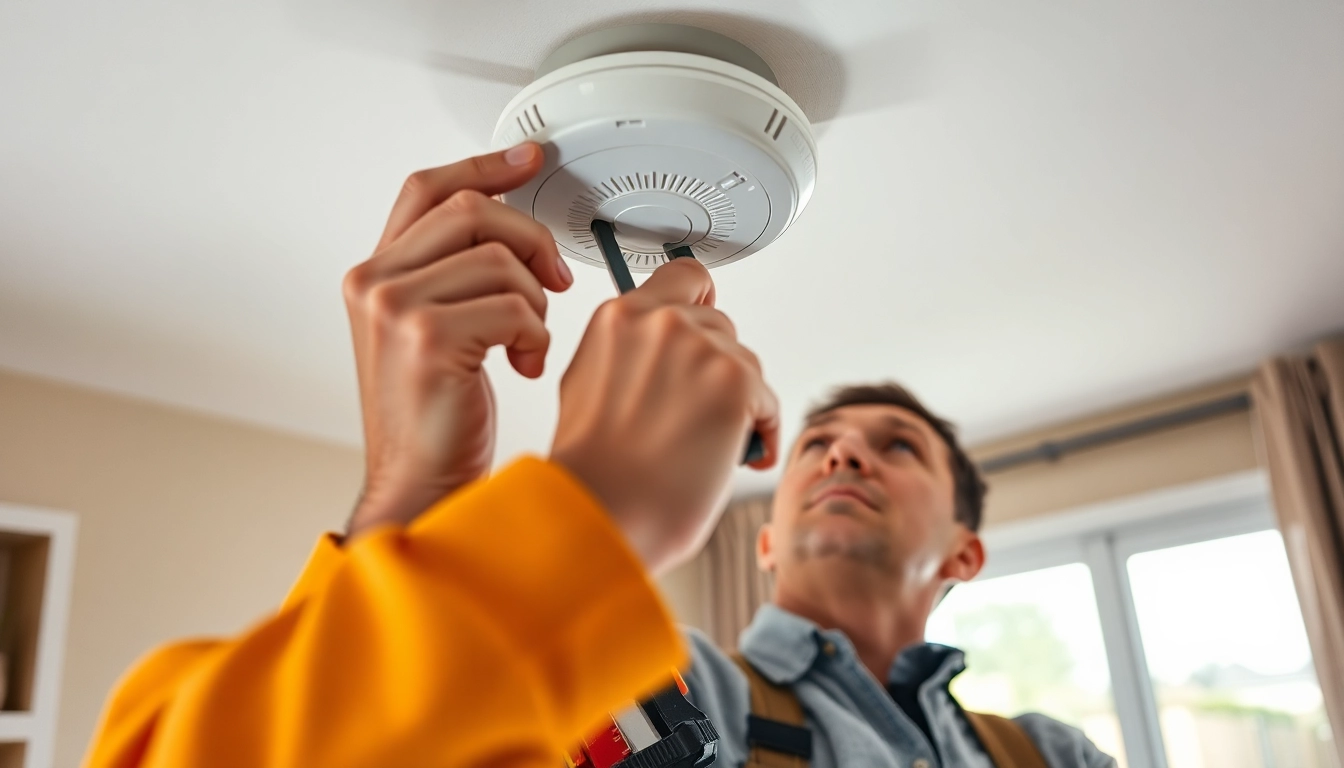
Understanding Smoke Detector Battery Types
Every home should be equipped with a reliable smoke detector to ensure safety, but many overlook the importance of the correct smoke detector battery. Choosing the right battery not only affects the functionality of the detector but can also save lives. This section will delve into battery types, their differences, and their pros and cons.
Battery-Operated vs. Hardwired
Smoke detectors generally fall into two categories: battery-operated and hardwired. Battery-operated smoke detectors are portable and easy to install. They function independently of the home’s electrical system, making them ideal for spaces without pre-existing wiring. Conversely, hardwired detectors are connected directly to the home’s electrical system and often include a battery backup for reliability during power outages.
Common Battery Types for Smoke Detectors
There are several types of batteries commonly used in smoke detectors: alkaline, lithium, and rechargeable. Alkaline batteries are the most common and are generally affordable, while lithium batteries tend to last longer, often up to ten years. Rechargeable batteries offer convenience but may not be compatible with all smoke detectors.
Pros and Cons of Different Batteries
Each battery type has its advantages and disadvantages. Alkaline batteries are inexpensive and widely available; however, they typically need replacement every six months to a year. Lithium batteries last longer and often come with smoke detectors that allow for a decade of service, reducing the frequency of replacements but typically at a higher upfront cost. Rechargeable batteries can be economical over time but may require more maintenance and lack reliability in all detectors.
How to Determine Battery Life and Replacement Schedule
Understanding how to assess your smoke detector battery life is crucial for maintaining your safety. Regular checks and a systematic replacement schedule can prevent false alarms and ensure the detector remains functional.
Signs of a Weak Smoke Detector Battery
Indicators of a weak battery include a chirping sound, which signifies that the battery voltage is low. Additionally, if your smoke detector goes off without smoke presence or fails to respond to tests, it may be time to check the battery.
Recommended Replacement Intervals
It’s generally recommended to replace your smoke detector battery at least once a year. However, depending on the type of battery, some lithium batteries can last up to ten years, necessitating a complete smoke detector unit replacement instead of just the battery.
How to Safely Replace Your Smoke Detector Battery
To safely replace your smoke detector battery, begin by ensuring the unit is deactivated. Remove the smoke detector from its mount and carefully detach the old battery. Install the new battery, ensure it’s secured, and reattach the smoke detector to its mount. Always test the detector post-replacement to confirm it operates correctly.
Best Practices for Smoke Detector Battery Maintenance
Proper maintenance of smoke detector batteries can enhance their lifespan and reliability. Here are several best practices that homeowners should consider.
Regular Testing Methods
It is essential to test your smoke detector at least once a month. Most detectors have a 'test' button for this purpose. This simple step can identify battery issues or wiring problems early on.
Environmental Factors Affecting Battery Life
Environmental conditions such as extreme temperatures, humidity, and dust can impact the performance and lifespan of your smoke detector battery. It’s advisable to keep the detector away from these extremes to prolong battery life.
Keeping Your Detector Clean and Functional
Cleaning your smoke detector regularly can prevent false alarms and ensure that it remains functional. Use a vacuum cleaner or a soft cloth to remove dust and debris. Additionally, avoid painting over or obstructing your smoke detectors, as this can impair their sensitivity.
Upgrading Your Smoke Detector Battery for Enhanced Safety
With advancements in battery technology, upgrading your smoke detector’s battery can significantly enhance safety in your home.
Latest Technology in Smoke Detector Battery Solutions
Newer smoke detector batteries feature innovations such as built-in battery monitoring systems, which provide alerts when battery power is low. These technologies can help ensure your smoke detectors are always ready, eliminating guesswork.
Impact of Smart Devices on Battery Choices
Smart smoke detectors come equipped with Wi-Fi connectivity and smartphone alerts, requiring more advanced batteries. These detectors often include additional features such as safety notifications, smoke detection from multiple locations in the home, and integration with other smart devices.
Integrating Home Safety Systems
Home safety systems are becoming increasingly interconnected. Smoke detectors linked with home security systems not only notify homeowners of smoke but also alert emergency services. As these systems evolve, investing in a quality smoke detector battery remains vital to ensure continuous operation.
FAQs About Smoke Detector Battery Use
How often should I replace my smoke detector battery?
Replace your smoke detector battery at least once a year, or as recommended by the manufacturer. Some lithium batteries may last up to ten years, requiring only a full unit replacement.
Can I use rechargeable batteries in smoke detectors?
Most modern smoke detectors are designed for specific battery types. Using rechargeable batteries is generally not recommended unless specified by the manufacturer. Always check the guidelines.
What is the lifespan of a smoke detector battery?
The lifespan varies by type: alkaline batteries last 6-12 months, while lithium batteries can last up to 10 years before they need replacing.
Do smoke detectors still work without a battery?
No, smoke detectors cannot operate without a battery. A dead or missing battery renders the unit ineffective in detecting smoke.
How do I test if my smoke detector battery is working?
Press the test button on your smoke detector. If it emits a loud alarm, the battery is working. If there’s no sound, replace the battery or the entire unit if applicable.