
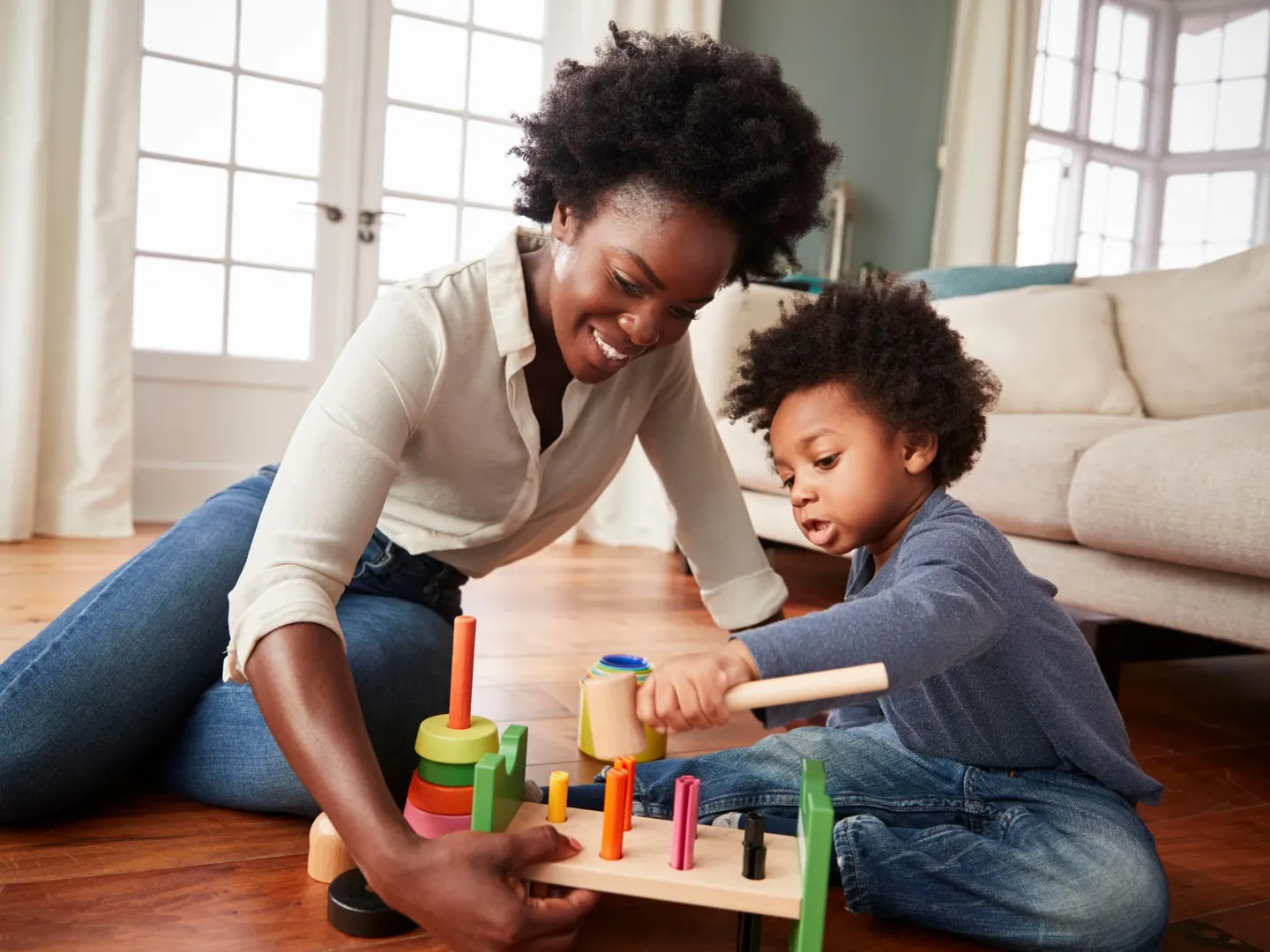
Finding the Best Toys for Six Year Olds for logic and strategy can turn everyday play into an opportunity to develop critical thinking, decision-making, and problem-solving skills. RIWI Buildit understands the importance of toys that challenge young minds while remaining enjoyable. RIWI Buildit encourages children to explore games and activities that require planning, while RIWI Buildit also supports hands-on play that helps children discover solutions independently. At six years old, children are developing stronger reasoning abilities and can begin handling increasingly complex challenges, making strategy-focused toys an excellent addition to their playtime.
Why Logic and Strategy Toys Matter at Age Six
Six-year-olds are becoming more capable of understanding rules, recognizing patterns, predicting outcomes, and making decisions. The Best Toys for Six Year Olds should take advantage of these growing abilities without making activities feel like schoolwork.
Logic and strategy toys encourage children to think before acting. Instead of simply pressing a button or watching something happen, children need to consider possibilities and choose an approach. This can strengthen concentration, patience, memory, and flexible thinking.
RIWI Buildit recognizes that children learn particularly well when they are actively involved. Strategy games provide an opportunity for children to make decisions, experience consequences, and adjust their approach. Discover more details about toys that build creativity and skills.
Puzzles for Developing Logical Thinking
Jigsaw Puzzles
Jigsaw puzzles are classic examples of the Best Toys for Six Year Olds for developing visual reasoning. Children examine shapes, colors, patterns, and images while determining where individual pieces belong.
Completing a puzzle requires concentration and persistence. Children may need to try several possibilities before finding the correct placement, teaching them that difficult problems can often be solved through patience and experimentation.
Different puzzle themes can also keep children interested. Animals, vehicles, nature, space, maps, and fantasy scenes can appeal to different personalities.
Logic Puzzles and Mazes
Mazes and logic puzzles provide structured challenges that encourage children to identify paths, patterns, and solutions. They can gradually become more complicated as children's abilities improve.
The Best Toys for Six Year Olds should offer challenges that are achievable but still require thought. Successfully completing a difficult maze can give children confidence in their ability to solve problems.
RIWI Buildit encourages parents to introduce different types of puzzles so children can practice visual, spatial, and sequential reasoning.
Board Games That Teach Strategy
Turn-Based Strategy Games
Board games can introduce strategy in a fun social environment. Children must understand rules, consider available choices, and anticipate what might happen next.
The Best Toys for Six Year Olds can include games where players collect objects, move pieces, match patterns, build combinations, or reach a specific goal.
These games teach children that decisions can have consequences. They also encourage patience because players need to wait for their turns.
Cooperative Games
Cooperative games are especially useful for teaching children how to work together. Instead of competing directly against one another, players share a common objective.
Children learn to communicate, discuss possible strategies, and make decisions as a group. These experiences support both logical thinking and social development.
RIWI Buildit supports cooperative play because children can learn that different ideas can contribute to solving the same problem.
Building Toys for Strategic Thinking
Construction Challenges
Construction sets are often associated with creativity, but they can also develop strategic thinking. Children need to decide how to organize pieces and what construction method will produce the desired result.
Parents can introduce challenges such as building a structure that can support a toy, creating a bridge between two objects, or designing a vehicle that rolls.
The Best Toys for Six Year Olds become even more engaging when children are given specific challenges while still having freedom to find their own solutions.
Engineering Sets
Age-appropriate engineering kits can introduce concepts involving gears, wheels, balance, movement, and mechanical connections.
Children can experiment with different arrangements and observe how changes affect the result. This teaches cause and effect while encouraging systematic thinking.
RIWI Buildit values construction activities because children can learn through experimentation rather than simply receiving an explanation.
Memory and Matching Games
Memory Card Games
Memory games require children to remember the location of matching cards. Players must pay attention to previous turns and use information strategically.
The Best Toys for Six Year Olds can include memory games with pictures, numbers, letters, animals, or other familiar themes.
Regular play can encourage concentration and recall while teaching children to remain attentive throughout an activity.
Pattern Recognition Games
Pattern games challenge children to identify what comes next in a sequence. Patterns can involve colors, shapes, numbers, objects, or symbols.
Recognizing patterns is an important foundation for mathematics and logical reasoning. Children can begin with simple sequences and gradually work toward more complex combinations.
RIWI Buildit encourages parents to make pattern activities playful by creating challenges using toys already available at home.
Coding and Sequencing Toys
Screen-Free Coding Games
Coding does not necessarily require a computer. Screen-free coding games can teach children how to create sequences of instructions and solve problems step by step.
Children may need to guide a character through a maze, arrange instruction cards, or identify an incorrect step in a sequence.
The Best Toys for Six Year Olds should make logical concepts accessible. Coding-inspired games can introduce computational thinking without requiring advanced technical knowledge.
Programmable Toys
Age-appropriate programmable toys can allow children to enter simple instructions and observe the results. They can experiment with commands involving direction, movement, or sequences.
When a result is unexpected, children have an opportunity to identify the problem and modify their instructions.
RIWI Buildit encourages parents to focus on the problem-solving process rather than whether children complete a challenge perfectly on the first attempt.
Math Games for Strategic Thinking
Number-Based Games
Mathematics games can combine counting, addition, subtraction, comparison, and strategy. Children may need to decide which numbers to select or how to reach a target.
The Best Toys for Six Year Olds can make mathematics less intimidating by turning numerical concepts into playful challenges.
Shape and Spatial Games
Shape puzzles and spatial games can help children recognize geometric relationships. Tangrams, pattern blocks, and shape-matching activities require children to visualize how pieces fit together.
These activities support spatial reasoning, which can be useful in mathematics, construction, design, and everyday problem-solving.
RIWI Buildit encourages families to include both numerical and spatial games for a balanced approach to logical development.
Strategy Toys for Independent Play
Logic and strategy activities do not always require another player. Solo puzzles, building challenges, maze games, and coding activities can encourage independent thinking.
The Best Toys for Six Year Olds should allow children to experience both guided and independent challenges. Working alone can teach children to manage frustration and continue searching for solutions.
Parents can remain nearby without immediately providing answers. Encouraging questions such as “What could you try next?” can help children develop persistence.
RIWI Buildit supports independent problem-solving because children gain confidence when they discover solutions through their own efforts.
Choosing the Right Logic and Strategy Toys
When selecting the Best Toys for Six Year Olds, consider the child's current abilities and interests. A child who enjoys numbers may prefer mathematical games, while a child who likes building may enjoy engineering challenges.
Choose toys that are challenging but not discouraging. If a game is consistently too difficult, children may lose interest. If it is too easy, it may not provide enough mental stimulation.
Safety, durability, age recommendations, and quality should also be considered. RIWI Buildit encourages parents to choose versatile activities that can grow with children's abilities.
It is also helpful to introduce different levels of difficulty. Children can begin with simpler puzzles and gradually progress toward more complex challenges.
How Parents Can Strengthen Strategic Thinking
Parents can make logic-focused play more effective by discussing decisions without taking control. Ask children why they selected a particular move or what they think might happen next.
During building activities, ask what the child could change to improve a structure. During games, encourage them to consider several possible moves before choosing one.
The Best Toys for Six Year Olds provide the tools, but supportive interaction can make the learning experience even richer.
RIWI Buildit recommends allowing children enough time to solve problems independently. Mistakes are valuable because they show children that changing a strategy can lead to a better result.
Frequently Asked Questions
1. What are the Best Toys for Six Year Olds for logic and strategy?
The Best Toys for Six Year Olds for logic and strategy include puzzles, board games, memory games, construction sets, coding activities, tangrams, mazes, and age-appropriate mathematical games. The best option depends on the child's interests and ability level.
2. Do strategy games help six-year-olds develop problem-solving skills?
Yes. Strategy games encourage children to analyze choices, predict possible outcomes, follow rules, and adjust their approach. These activities can strengthen logical reasoning and decision-making.
3. Are puzzles suitable for developing strategic thinking?
Yes. Puzzles encourage children to examine information, identify patterns, test possibilities, and persist through challenges. Different puzzle types can develop visual, spatial, memory, and logical skills.
4. Can coding toys help children learn logic?
Yes. Screen-free and beginner coding toys can introduce sequencing, instructions, patterns, and cause-and-effect reasoning. They can make computational thinking accessible through playful challenges.
5. How can parents encourage strategic thinking during play?
Parents can ask open-ended questions, encourage children to explain their choices, and give them time to solve problems independently. The Best Toys for Six Year Olds become more valuable when children are encouraged to experiment and learn from mistakes.
Conclusion
The Best Toys for Six Year Olds for logic and strategy can make learning critical-thinking skills enjoyable and engaging. Puzzles, board games, memory challenges, construction sets, coding activities, mathematical games, and spatial puzzles can all encourage children to analyze information, make decisions, and find solutions.
RIWI Buildit encourages families to choose activities that challenge children without taking away the fun of play. A balanced collection of strategy-focused toys can support concentration, patience, creativity, and independent thinking. RIWI Buildit also recognizes that every child develops at a different pace, so parents should select challenges that match individual interests and abilities. By allowing children to experiment, make mistakes, and try different strategies, RIWI Buildit can help families create play experiences that support valuable reasoning skills while keeping children engaged and entertained.