
Masterful Round Dining Table Styles for 2026: Transform Your Space Elegantly
Understanding Round Dining Tables
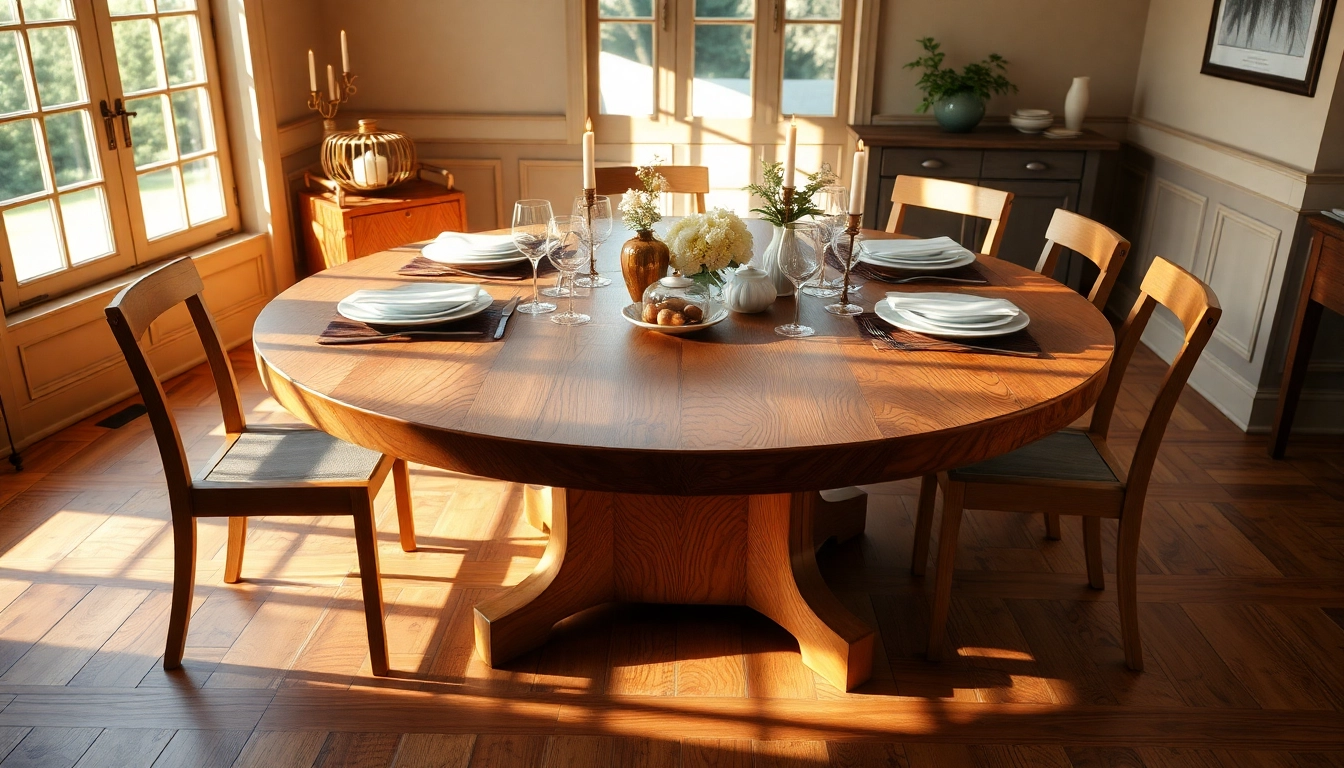
Round dining tables have become increasingly popular in modern homes and commercial spaces alike. Their unique shape fosters intimacy and conversation, making them a preferred choice for both casual dining and formal gatherings. When exploring options, Round dining table designs offer an array of customizable features that cater to various tastes and spatial requirements, ensuring that every piece serves not just a functional purpose but also enhances the aesthetics of your environment.
What is a Round Dining Table?
A round dining table is a circular table typically used for dining purposes. Unlike rectangular or square tables, round tables eliminate sharp corners, creating a more inviting atmosphere. This design is especially advantageous in smaller spaces, as it allows for better flow and more flexible seating arrangements. The absence of corners can also be a safety benefit, particularly in homes with children.
The Benefits of Choosing a Round Dining Table
- Promotes Interaction: The circular shape encourages conversation among all seating, making it easier for everyone to engage with one another.
- Space Efficiency: Round tables often fit snugly into corners or smaller dining areas, maximizing available space.
- Flexible Seating: You can easily add or remove chairs as needed, accommodating various numbers of guests without rigid layout constraints.
- Stylish Aesthetics: Round dining tables can serve as stunning focal points in a room, often available in a variety of finishes and materials that can complement any decor.
Common Materials Used in Round Dining Tables
Round dining tables are crafted from various materials, each providing distinct aesthetic and functional qualities. Common materials include:
- Wood: Solid hardwoods such as oak, maple, walnut, and hickory are popular choices, bringing natural beauty and durability. The grain patterns in wood can add character and warmth to your dining space.
- Metal: Often used in bases or frames, metals like steel and aluminum offer strength and a contemporary look.
- Glass: Tempered glass tabletops provide a sleek, modern appearance and can visually expand smaller dining areas.
- Marble: This luxurious material adds elegance and sophistication, often becoming the centerpiece of the dining room.
Designing Your Custom Round Dining Table
When it comes to designing your custom round dining table, there are several factors to consider to ensure that the final product fits perfectly into your desired space while reflecting your personal style.
Factors to Consider for Customization
- Dimensions: Measure your space carefully to determine the ideal table diameter, ensuring it comfortably accommodates the number of diners.
- Height: Standard dining table heights usually range from 28 to 30 inches, but consider any unique requirements you might have.
- Base Design: The type of base can profoundly affect the table’s style and sturdiness. Options include pedestal bases, trestle, or a more traditional four-legged option.
- Finishing Touches: From staining to varnishing, the finish can dramatically change the table’s appearance, allowing you to match it to your existing decor.
Choosing the Right Size and Shape
The size of your round dining table is crucial in creating an inviting atmosphere. Larger tables can seat more guests, but you’ll want to ensure there’s enough room for comfortable movement around the table. Typically, a 60-inch diameter table can accommodate six people, whereas a table that is 72 inches or larger can seat eight or more, depending on the chair design.
Popular Wood Species for Round Dining Tables
When selecting wood for your round dining table, consider the following popular species known for their durability and beauty:
- Walnut: This dark, rich wood is a favorite for its striking grain patterns and strength.
- Maple: Known for its light color and smooth finish, maple is perfect for a contemporary look.
- White Oak: Highly durable, white oak has a prominent grain and is resistant to moisture, making it an excellent choice for dining tables.
- Hickory: Hickory is exceptionally strong and resilient, often used in rustic furniture but also stylized in modern designs.
Enhancing Your Dining Experience
Beyond the table itself, the overall dining experience can be significantly enhanced by thoughtful design and decor considerations.
Table Settings: Style Your Round Dining Table
Creating an inviting table setting can elevate the dining experience. Consider the following:
- Table Linens: Tablecloths and runners can add layers of texture and color.
- Centerpieces: Floral arrangements, candles, or decorative bowls can serve as eye-catching focal points.
- Dishware: Invest in stylish dishes and cutlery that align with your aesthetic preferences.
Lighting Considerations for Dining Areas
Lighting plays a pivotal role in setting the mood for dining. Consider options such as:
- Chandeliers: A statement chandelier above the table can create a dramatic effect.
- Dimmer Switches: These allow you to adjust the brightness, tailoring the ambiance for different occasions.
- Accent Lighting: Use wall sconces or floor lamps to enhance the overall room lighting.
Incorporating Decorative Elements
Decorative elements surrounding your round dining table can enhance its visual appeal. Consider incorporating mirrors to reflect light or artwork that complements the overall theme of your dining area.
Round Dining Tables for Commercial Spaces
In commercial settings, round dining tables not only serve functionality but also play a vital role in creating inviting spaces for guests and employees.
Custom Round Dining Tables for Restaurants
Restaurants benefit significantly from round dining tables, as they encourage conversation and connection among diners. Customization allows restaurant owners to select materials and styles that reflect their brand identity while ensuring durability for high traffic.
Best Practices for Office Dining Areas
In office environments, thoughtful dining areas can improve employee satisfaction and productivity. Round tables can be integrated into break rooms or collaborative spaces, fostering a sense of community and encouraging team interactions.
Durability and Maintenance in High-Use Environments
Selecting materials that withstand the rigors of commercial use is essential. Solid hardwoods, coupled with high-quality finishes, can help maintain the table’s appearance over time and simplify cleaning protocols, crucial for busy dining environments.
Future Trends in Dining Table Design
As we look toward 2026, several trends are expected to shape the design of dining tables, including round styles.
Innovative Materials and Technologies
The rise of new materials, such as synthetic composites and hybrid wood, is expected to influence round dining table design, offering greater durability and eco-friendliness while ensuring aesthetic appeal.
Design Trends to Watch in 2026
Expect a shift toward minimalist designs that emphasize clean lines and functionality. Designs highlighting natural wood textures, mixed materials, and sustainable practices will likely dominate the market.
Eco-Friendly Options for Sustainable Dining
With increasing consumer awareness regarding environmental impacts, sustainable practices in furniture manufacturing are on the rise. Round dining tables made from reclaimed wood or sustainable sources can appeal to eco-conscious consumers looking for stylish yet responsible choices.
