Understanding Bed Bug Behavior and Biology
Bed bugs, while small, are formidable pests that can cause significant discomfort and distress to homeowners. Understanding their behavior and biology is crucial for effective eradication. Bed bugs are parasitic insects that feed solely on the blood of humans and animals. They typically remain hidden during the day and become active at night, making them particularly challenging to detect. Their ability to reproduce rapidly and resist various extermination methods further complicates the problem. When exploring options, a bed bug exterminator can provide comprehensive insights into managing and eliminating these pests.
What Are Bed Bugs and Their Life Cycle?
Bed bugs belong to the Cimex lectularius species and are about the size of an apple seed, making them visible to the naked eye. They undergo a life cycle consisting of five nymph stages before reaching adulthood. Each stage requires a blood meal to progress to the next stage, and this lifecycle can be completed in as little as a month under ideal conditions. This rapid reproduction means that a small infestation can quickly escalate into a larger problem if not dealt with promptly.
Common Signs of Infestation
Identifying a bed bug infestation early can save homeowners from extensive damage and discomfort. Common signs include:
- Red, itchy welts on the skin, often in a line or cluster.
- Dark red or brown spots on bedding or furniture, which are bed bug excrement.
- Molted bed bug exoskeletons near their hiding spots.
- Unpleasant, musty odors in affected areas.
How Bed Bugs Travel and Spread in Homes
Bed bugs are excellent hitchhikers. They can latch onto clothing, luggage, and used furniture, allowing them to spread from one location to another with ease. They are also known to travel through small crevices in walls and floors between apartments, making apartment buildings particularly vulnerable to infestations. Understanding how they travel helps in developing strategies to prevent their spread.
Why Hire a Professional Bed Bug Exterminator?
Many homeowners grapple with whether to tackle bed bug infestations on their own or to hire a professional. While DIY treatments may seem appealing, they often fall short of effectively eradicating these pests. Hiring a professional exterminator not only guarantees the use of high-quality, effective treatments but also provides peace of mind knowing the issue is being handled by experts.
The Benefits of Professional Pest Control
Professional pest control services offer several benefits:
- Access to specialized tools and products not available to the public.
- Expertise in identifying all potential hiding spots and routes.
- Training in the latest extermination techniques, ensuring thorough treatment.
What to Expect During an Extermination
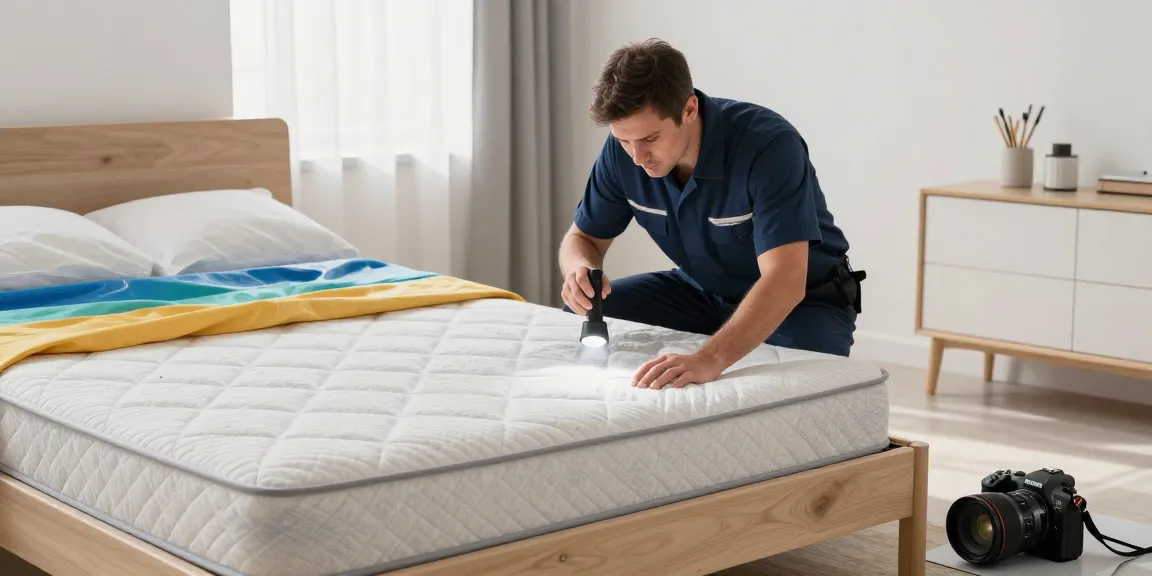
During an extermination, the pest control technician will typically conduct a thorough inspection of the affected areas. This may include checking beds, furniture, carpets, and even baseboards for signs of bed bugs. Depending on the treatment plan chosen, the exterminator may employ heat treatments, chemical sprays, or a combination of both. After the extermination, technicians will provide guidance on follow-up measures to prevent re-infestation.
Cost vs. Value: Is It Worth the Investment?
The cost of hiring a bed bug exterminator can vary significantly based on the severity of the infestation and the methods used. However, the investment is often worth it considering the potential damage and discomfort caused by bed bugs. Moreover, untreated infestations can lead to increased costs as the problem worsens. Ultimately, the value lies in the effective resolution of the issue and the return to a peaceful living environment.
Effective Bed Bug Treatment Options Available
There are multiple treatment options available for targeting bed bugs, each with its own advantages and limitations. Understanding these methods can help homeowners make informed decisions in partnership with their chosen extermination service.
Chemical Treatments: How They Work
Chemical treatments involve the application of specialized insecticides aimed at eliminating bed bugs in all stages of their life cycle. These products typically have a prolonged residual effect, allowing them to continue killing bugs for weeks after application. In particular, commercial-grade residual insecticides can provide protection against re-infestation for up to 120 days.
Heat Treatments: An Eco-Friendly Approach
Heat treatments have gained popularity in recent years due to their ability to kill bed bugs at all life stages, including eggs. By raising the temperature of infested areas to a lethal level, usually around 120°F (49°C), pest control professionals can effectively eliminate the entire population without the use of chemicals. This method is particularly beneficial for individuals sensitive to pesticides or concerned about chemical exposure.
Combination Methods for Comprehensive Extermination
In many cases, a combination of heat and chemical treatments may provide the best results. By addressing bed bugs from multiple angles, exterminators can maximize efficacy and minimize the risk of re-infestation. This comprehensive approach is often tailored to the specific needs of the home and the extent of the infestation.
Preparing Your Home for Bed Bug Treatment
Preparation is key to the success of any bed bug treatment plan. Homeowners can take several steps to ensure their homes are ready for professional extermination services. Proper preparation can enhance the effectiveness of treatments and reduce the likelihood of future infestations.
Steps to Take Before Extermination
Prior to the arrival of pest control professionals, homeowners should take the following steps:
- Clear clutter from bedrooms and other living areas.
- Wash all bedding, linens, and clothing in hot water to eliminate bed bugs.
- Vacuum carpets and furniture thoroughly, discarding the vacuum bag immediately.
- Notify the exterminator of any potential obstacles or concerns regarding pets or children.
What to Do with Your Belongings
Managing personal belongings during bed bug treatment is essential. Items such as clothing, linens, and plush toys should be washed and dried on high heat if possible. For items that cannot be laundered, sealing them in plastic bags can help contain any potential bed bugs. Furniture that cannot be moved may require treatment with insecticides or heat, so it’s important to consult with the exterminator for guidance.
Follow-Up Maintenance to Prevent Re-Infestation
After treatment, ongoing maintenance is crucial to prevent a resurgence of bed bugs. Homeowners should schedule follow-up inspections with their pest control provider and should remain vigilant for any signs of re-infestation. Regular vacuuming, monitoring travel items, and maintaining cleanliness can contribute to a bed bug-free home.
Frequently Asked Questions About Bed Bug Exterminators
As homeowners navigate the complexities of bed bug infestations, they often have numerous questions. Here are some of the most frequently asked:
How long does it take to eliminate bed bugs?
The timeline for complete bed bug elimination can vary based on the treatment method used and the severity of the infestation. While heat treatments can yield immediate results, chemical treatments may take several weeks to fully eradicate all bugs.
Can bed bugs return after treatment?
Yes, bed bugs can return if they are reintroduced into the home or if any areas were missed during treatment. That is why it's important to follow the exterminator's recommendations for prevention.
What is the best way to find a reliable exterminator?
To find a trustworthy exterminator, consider looking for professionals with positive reviews, relevant certifications, and experience specifically with bed bugs. Obtaining quotes from multiple companies can also help in making an informed decision.
Are DIY treatments effective for bed bugs?
While some DIY treatments can kill individual bed bugs, they generally lack the efficacy needed to eliminate an established infestation. Professional treatments are recommended for complete eradication.
What are the regulations for pest control in my area?
Regulations can vary by location. It's important to ensure that the pest control company you hire is licensed and follows local and state guidelines for pest management.